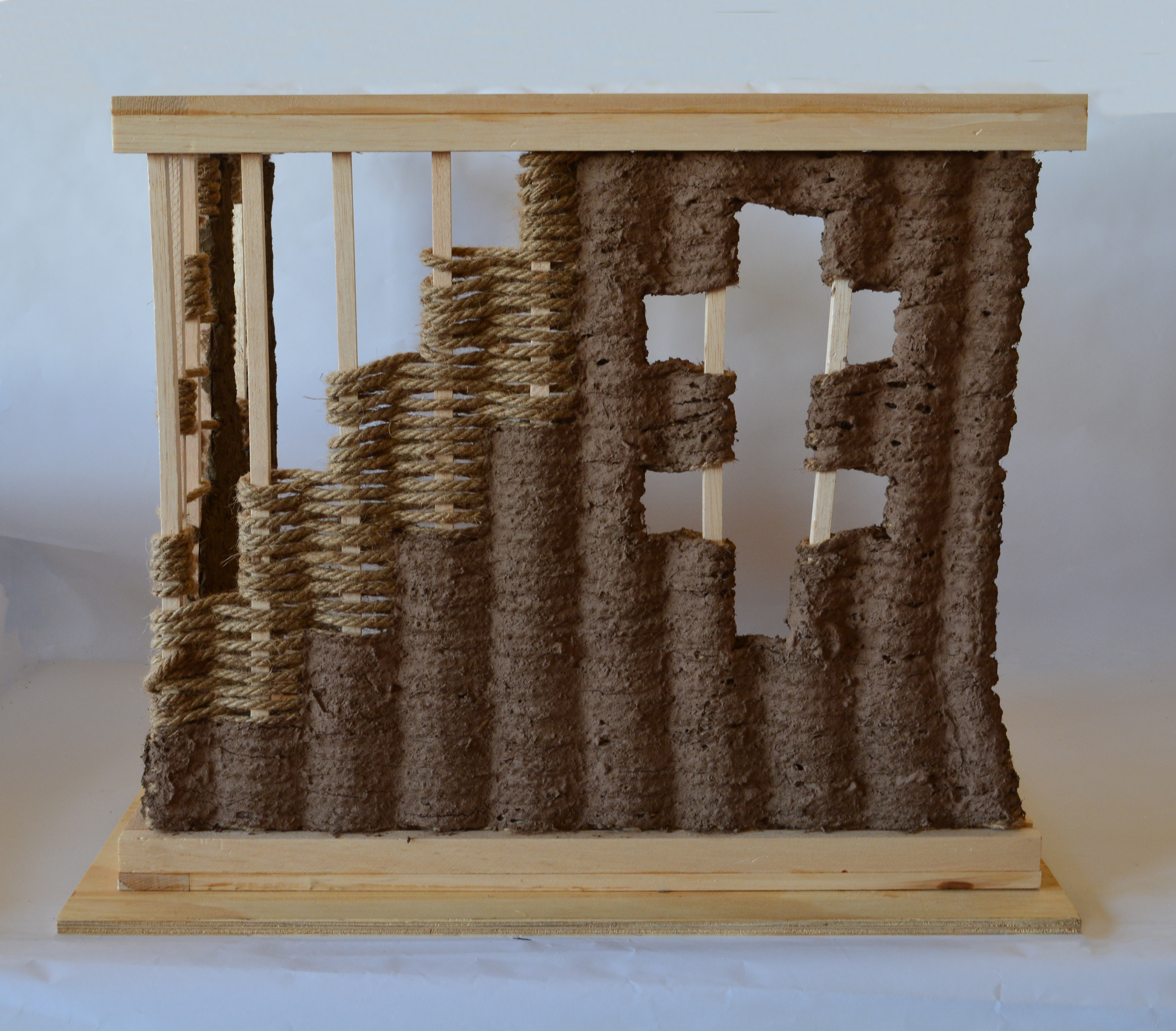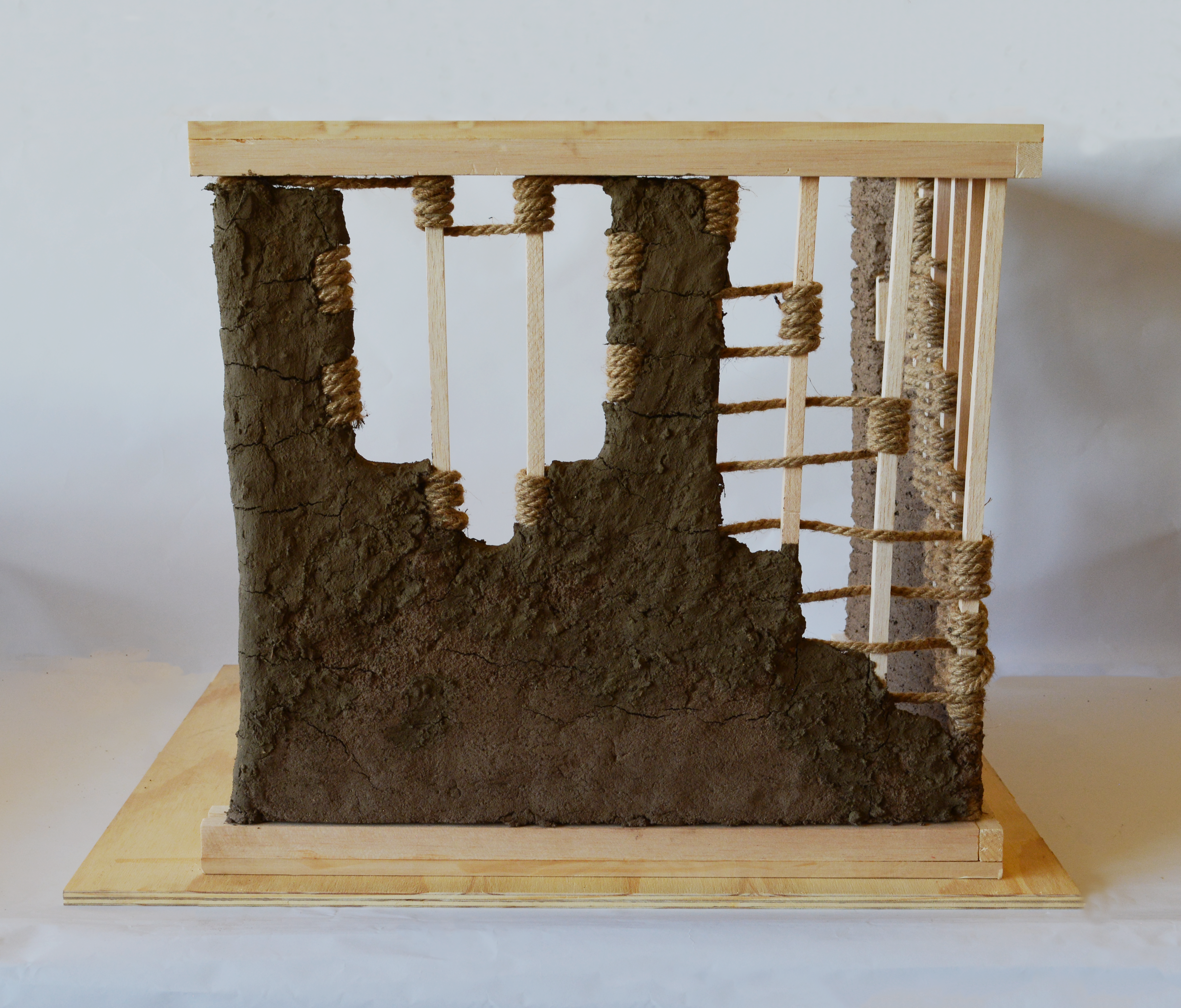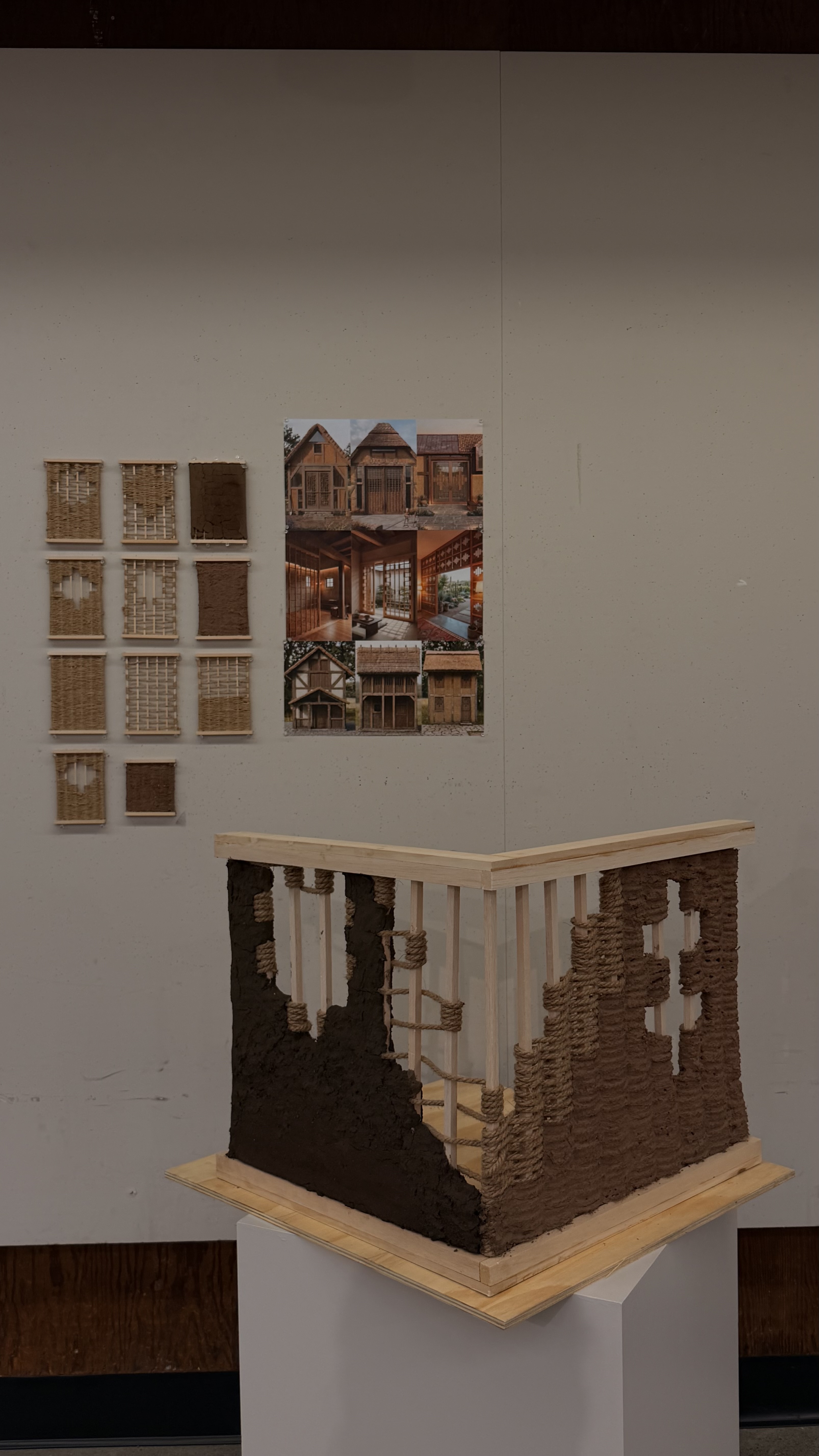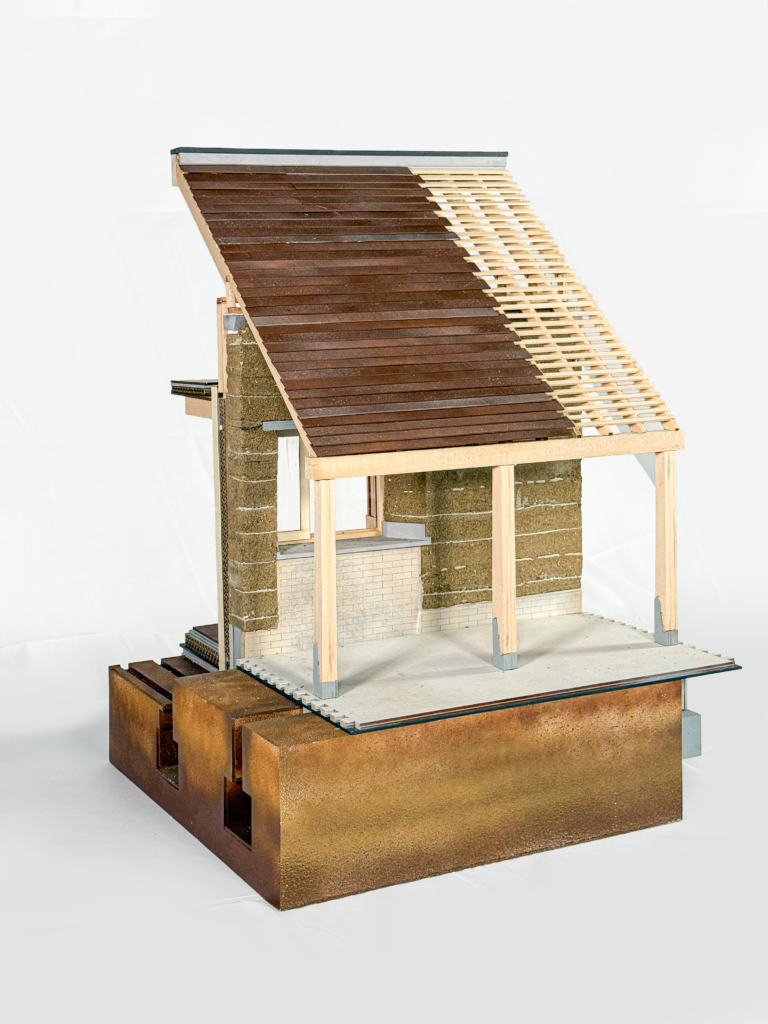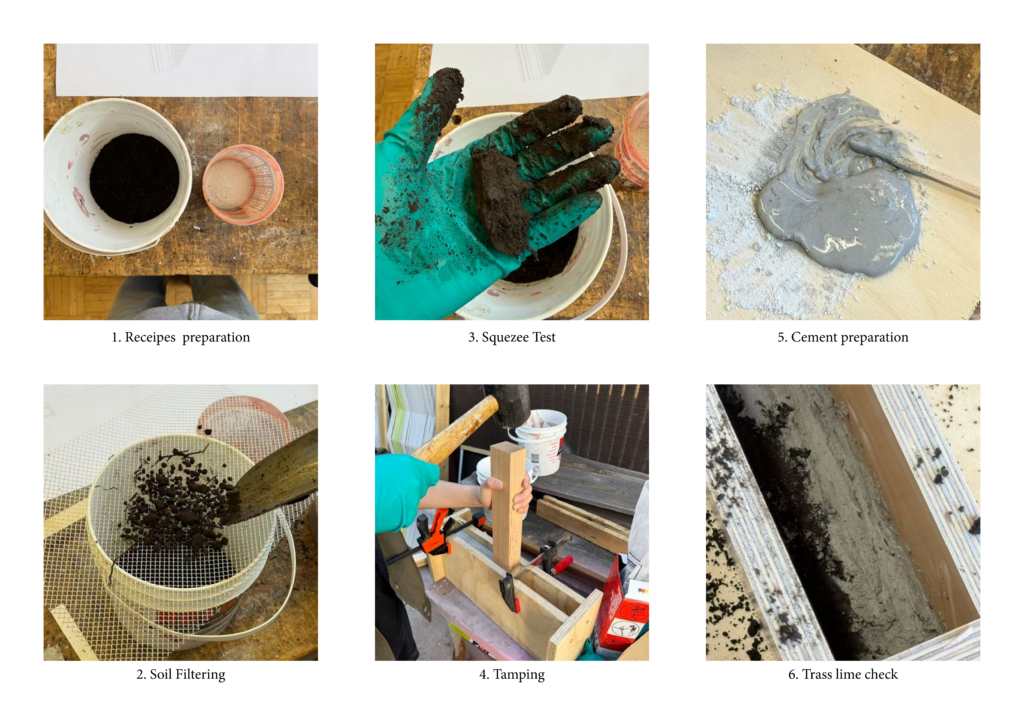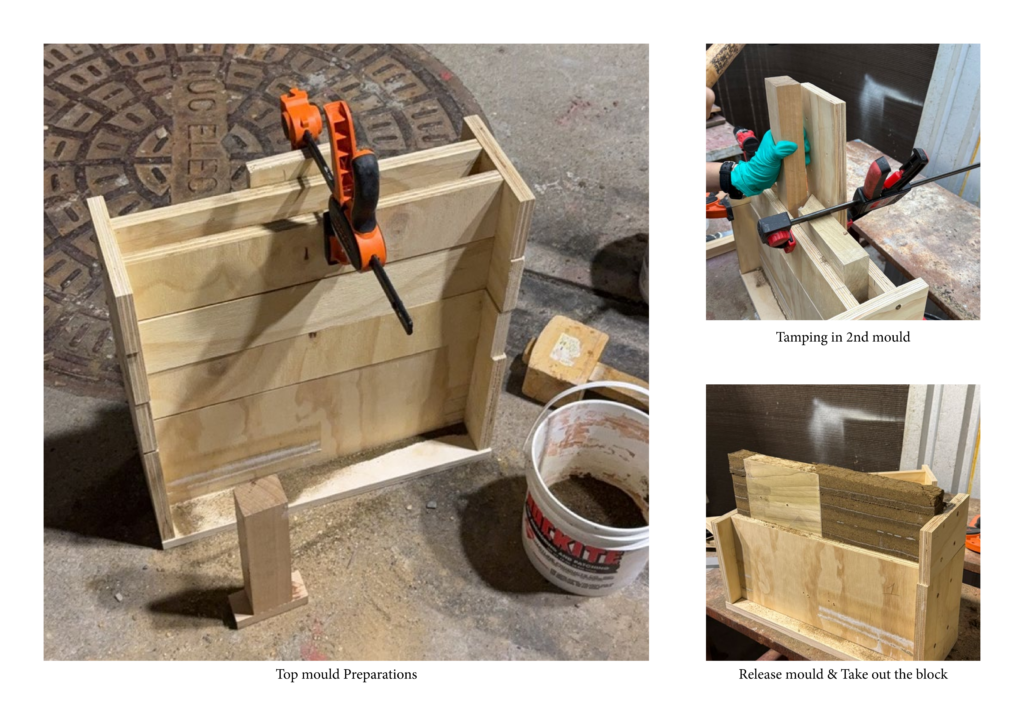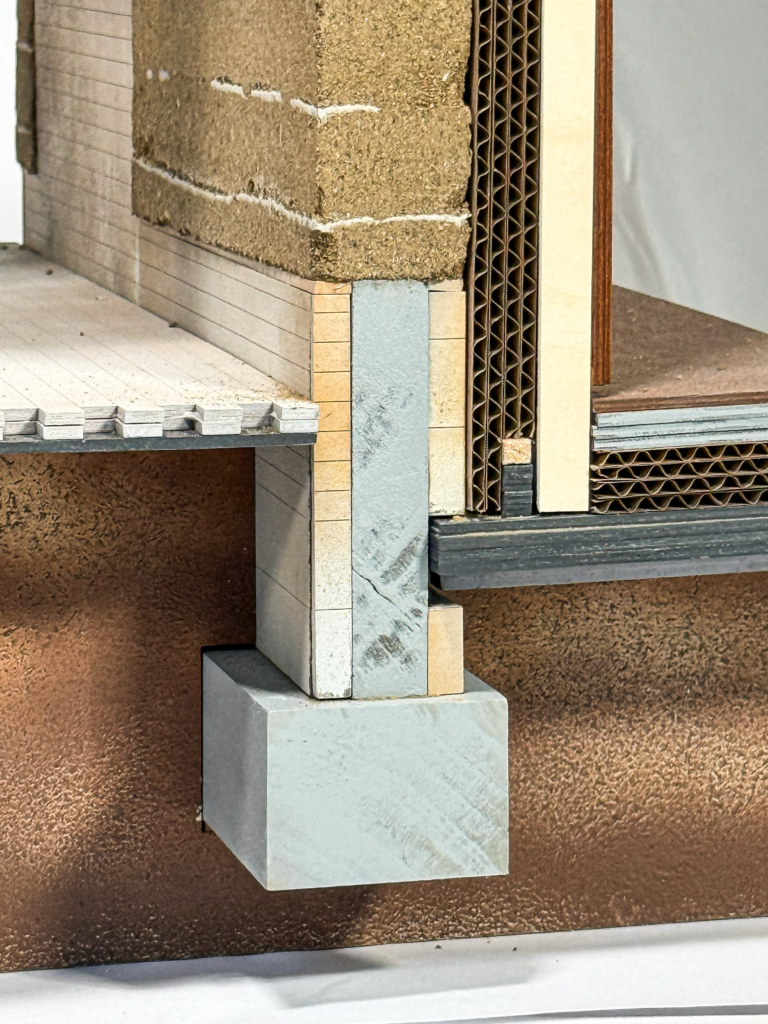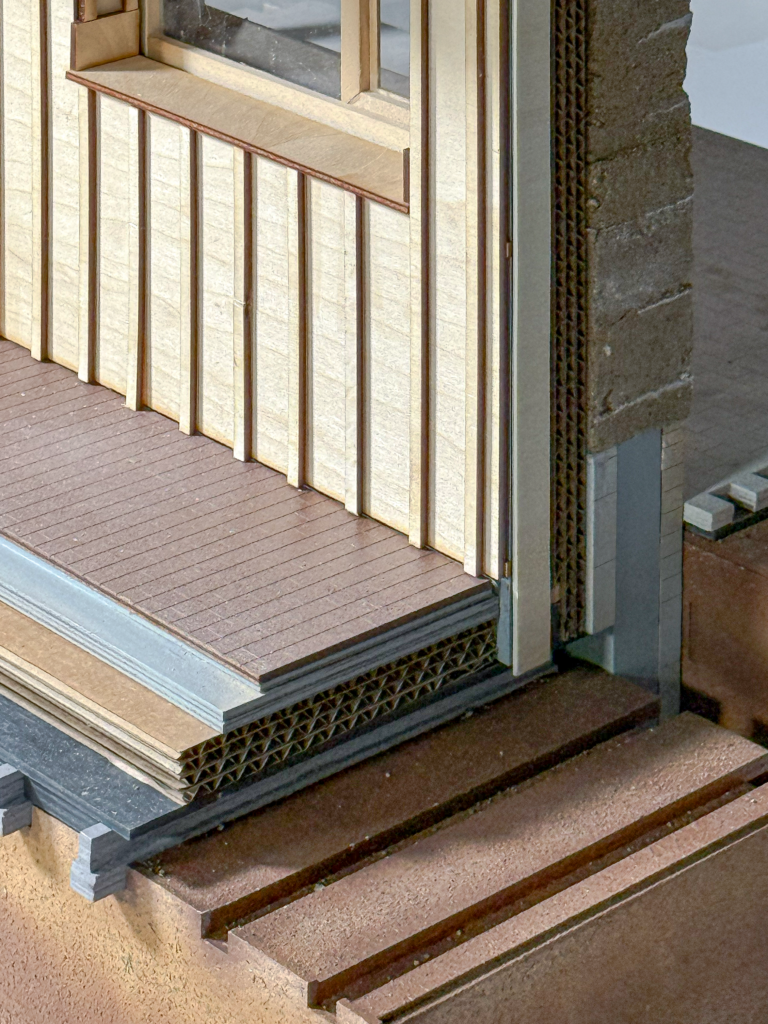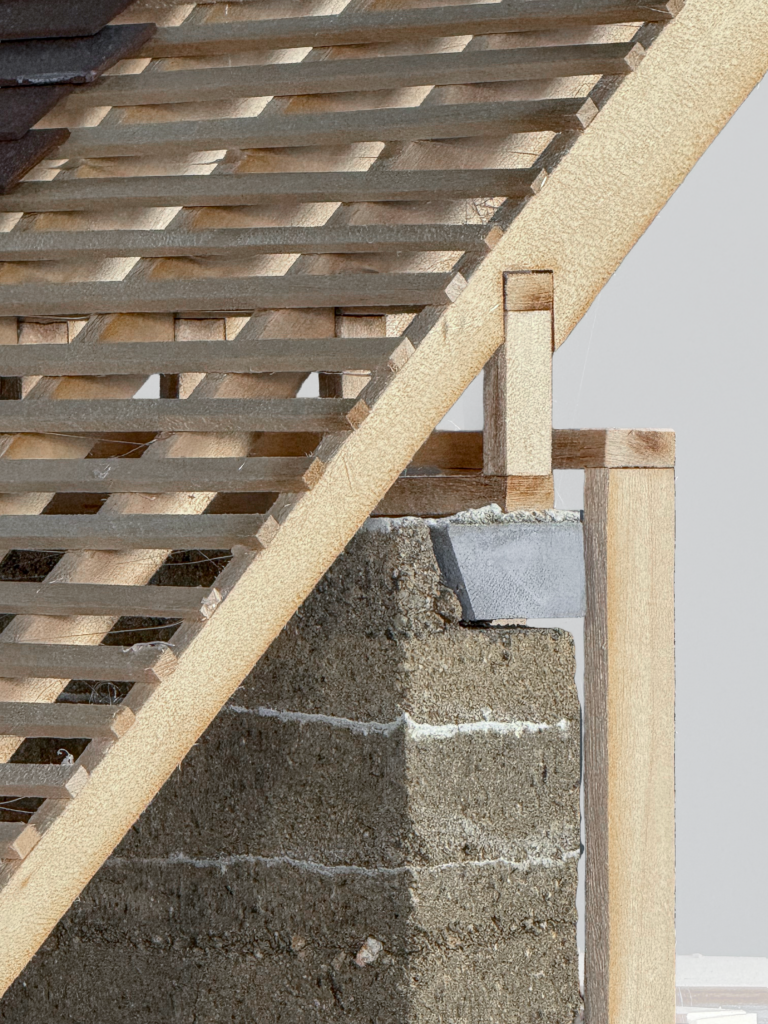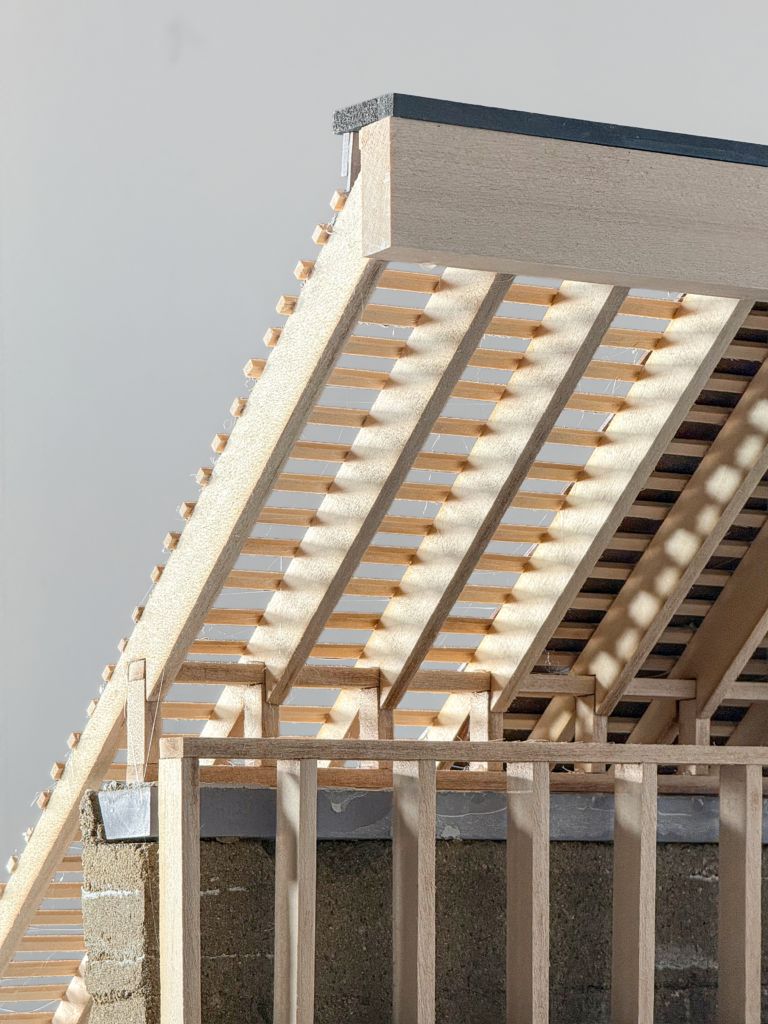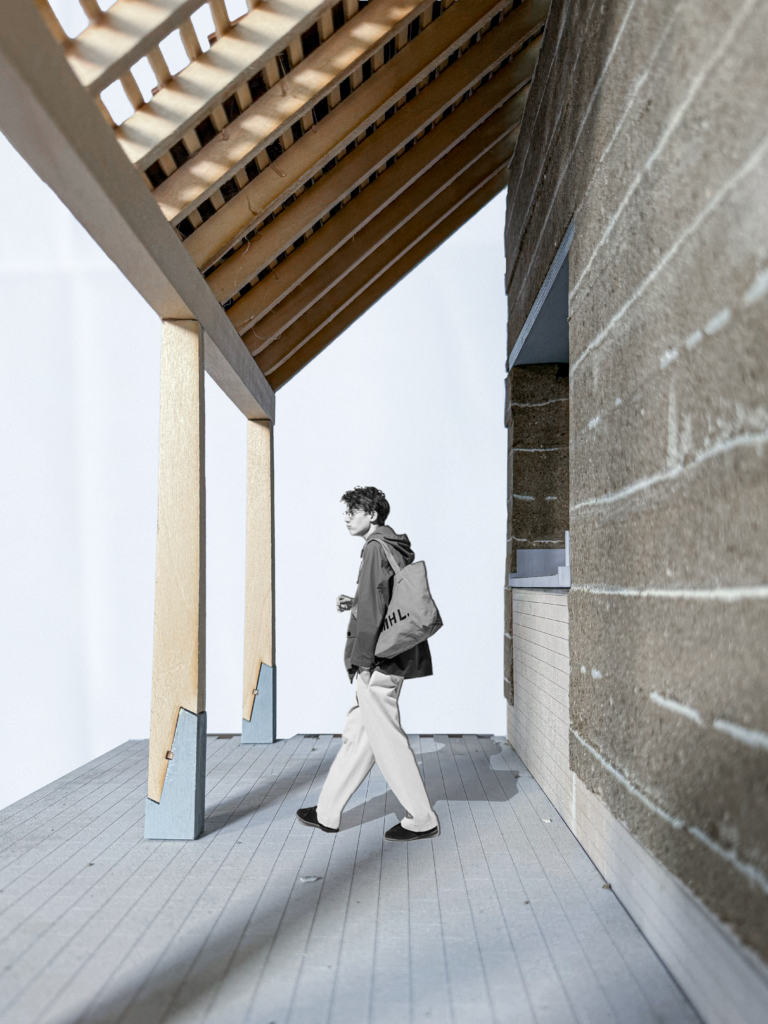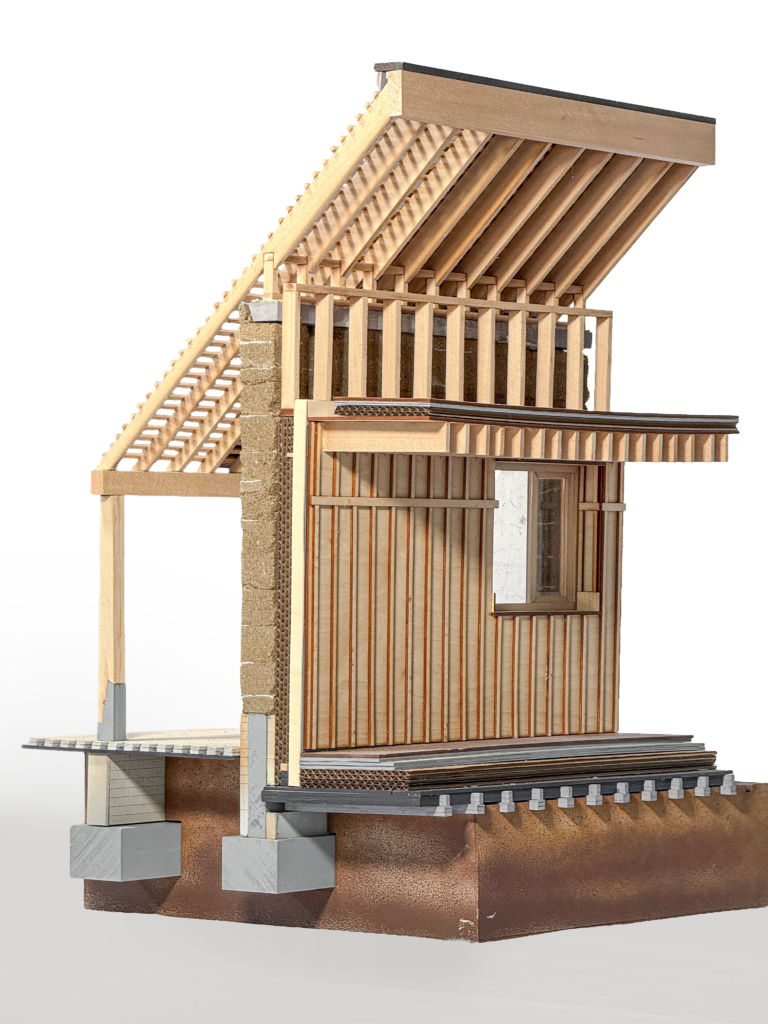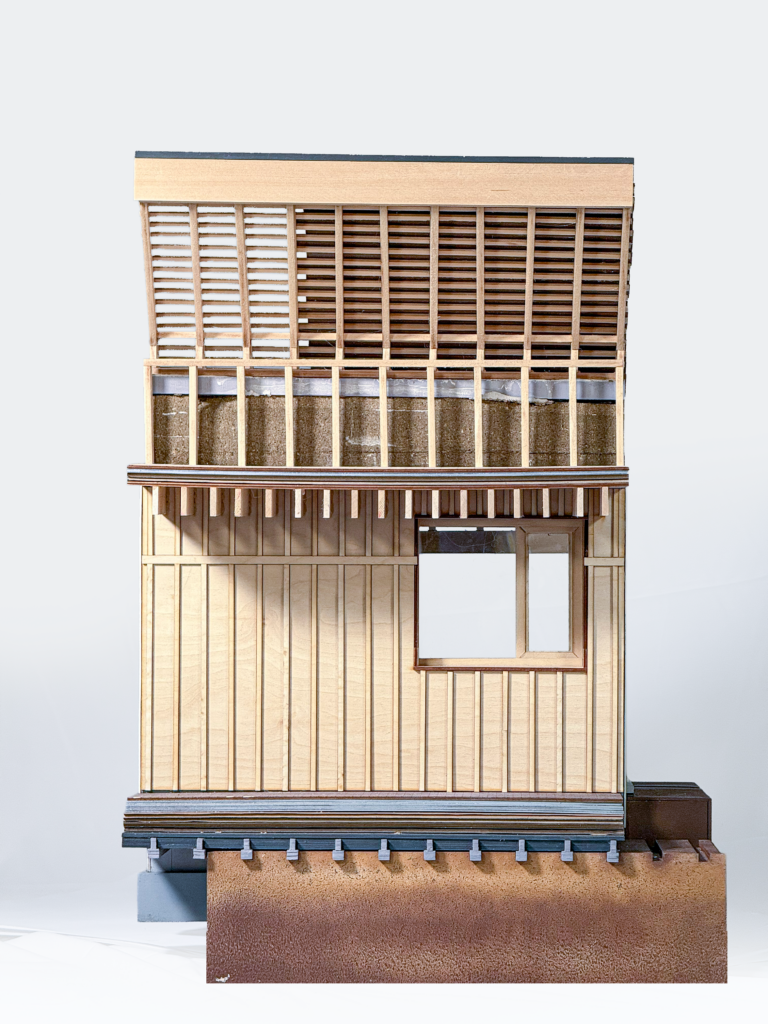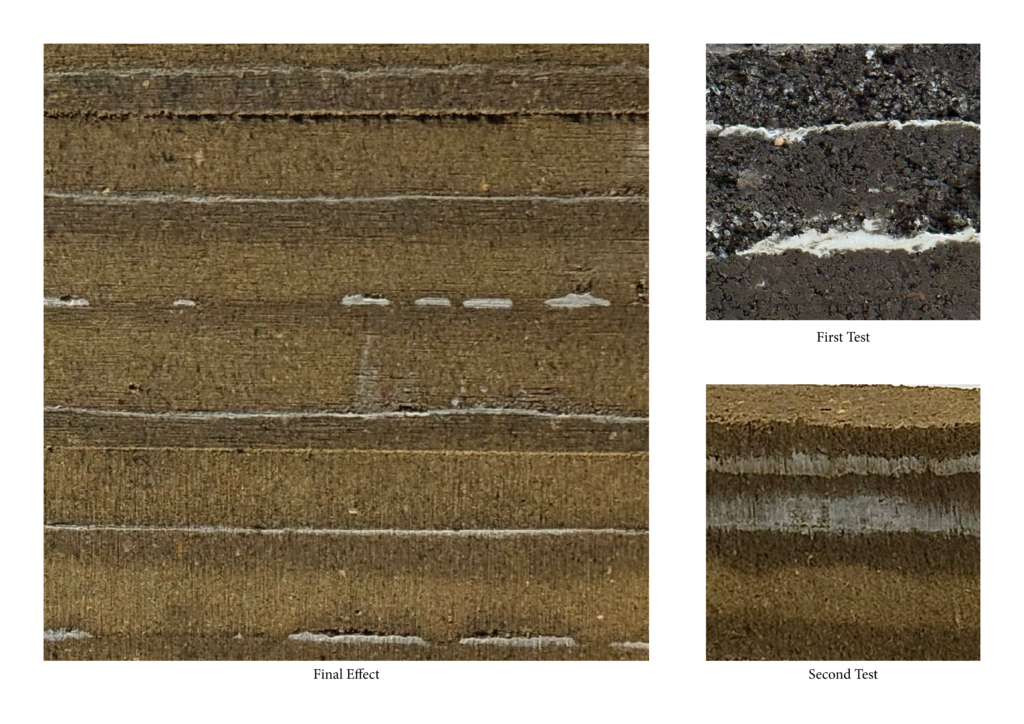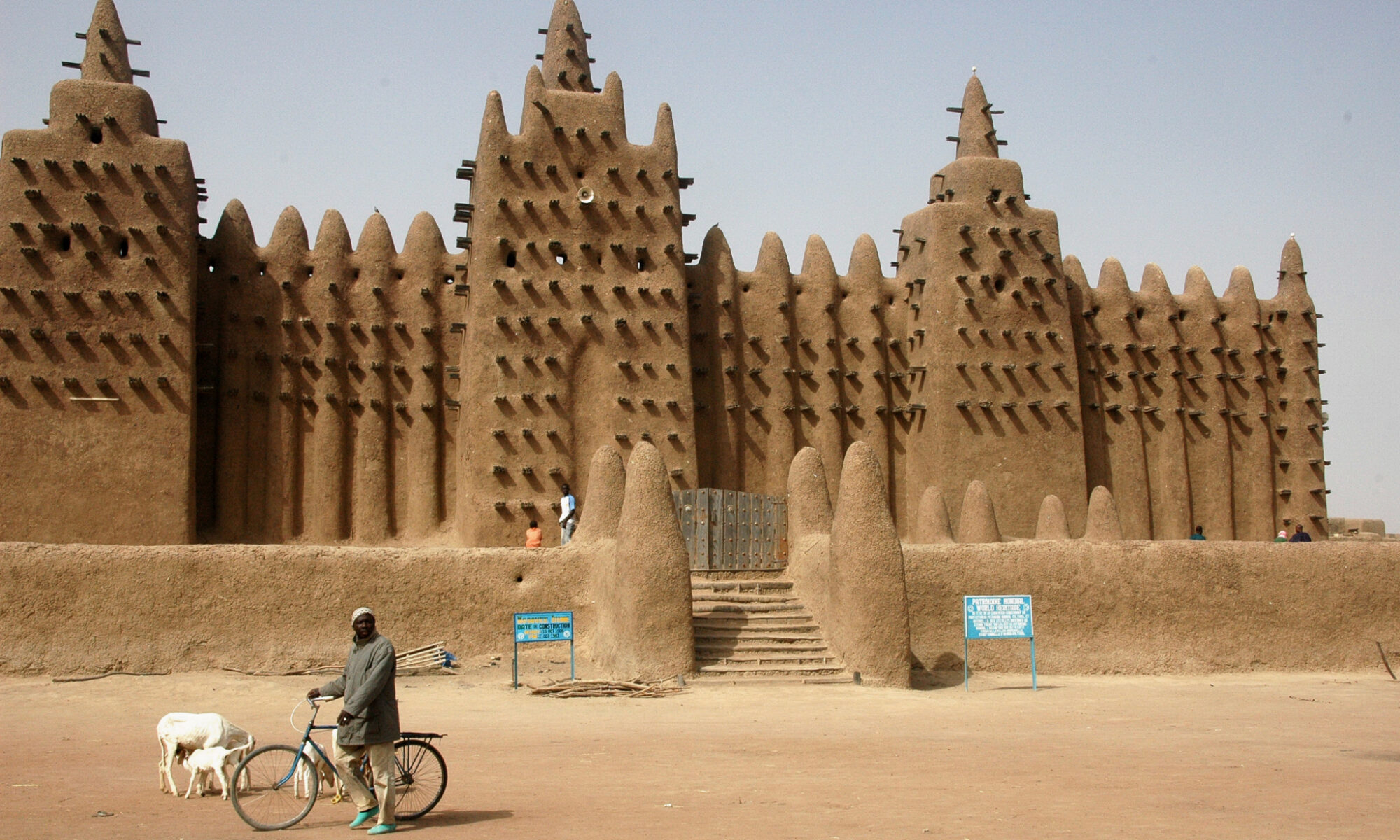
The Architecture found in Yemen is among the most sophisticated and enduring traditions in human history – a monument to the reaches that people could build to even without modern, post-industrial materials and methods. These relics, often older than 500 years old, are more at risk than ever, due to socio-political issues in yemen.
Central to this architectural tradition is the “zabur” technique, which is among a collection of practices essential to earthen architecture in Yemen, from the coursed-clay methods in the highlands to the iconic “gingerbread” fired-brick patterns found in the capital, Sana’a.
The master builders “ustads” utilize several distinct systems based on the required outcome – each varying the preparation of the earth, the firing or not-firing of that earth, and the methods of application. This allows zabur to adapt to the various features of the yemeni landscape – optimizing from the humid coastal plains to the volcanic plateaus.
NBC NEWS
In technical literature, “zabur” is defined as a direct-forming technique – utilizing wet, straw-reinforced clay soil to build walls without the use of formwork or molds. This is reminiscent of the European technique of “cob.” This definition of the term, however, is limited – and many linguists and experts of old Sana’a argue that it’s also inextricably linked to the intricate patterns of the fired-mud bricks that comprise much of the city’s facades. This intertwines the later, post-Islamic styles of decorative brick-and-gypsum towers with the ancient past’s monolithic clay walls – what I’ll call “pure zabur.”
ArabAmerica
In the northern regions, zabur remains as a pure coursed-clay tradition. The material is prepared in pits and formed into balls, which are then thrown to the master mason standing on top of the wall, who settles the material into place. In Sana’a, the zabur is the fired mud-bricks that are adorned with ornamentation drawn of white gypsum.
Tower House
These techniques allowed Yemeni to build stronger, and then eventually higher – leading to the creation of tower houses. These traditional tower houses in the old cities were set on stone foundations of basalt, on top of which carefully fitted, locally quarried tuffa and limestone up to 10 meters tall is laid. Above that, the zabur bricks are laid – and then on top of that an aged lime plaster called qadad is applied as an exterior waterproofing layer (atleast on the rooftops).
MIT Libraries
Yemeni Architecture reflects a “profound interaction between humans and their environment“(IJSDP), standing as a creative embodiment of beauty, simplicity, and the extents of human ingenuity of the past. Rapid urban development in recent years, however, has created disharmony and a detachment from societal traditions – something that looking at and preserving techniques from the past may help with reconciling.
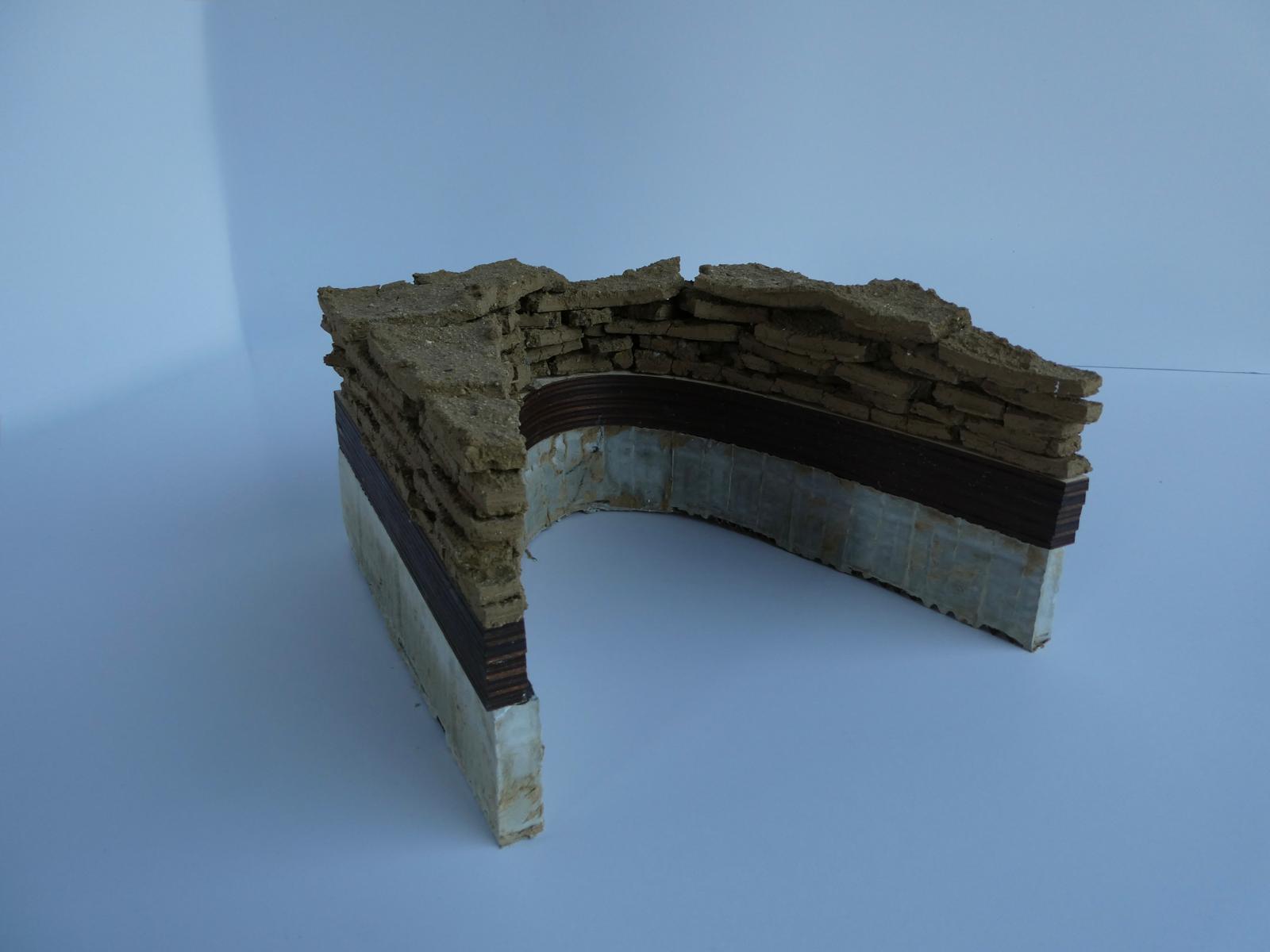
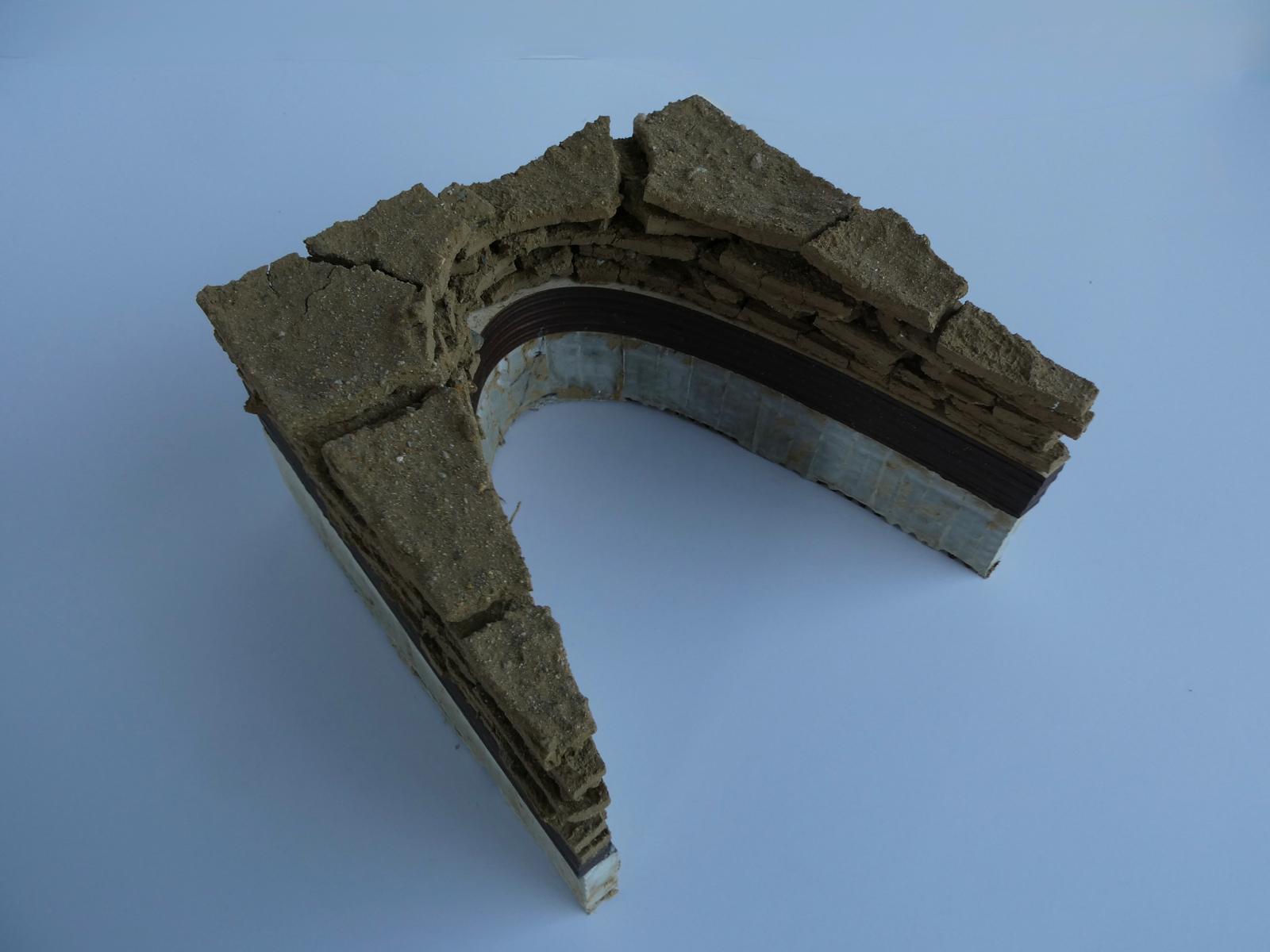
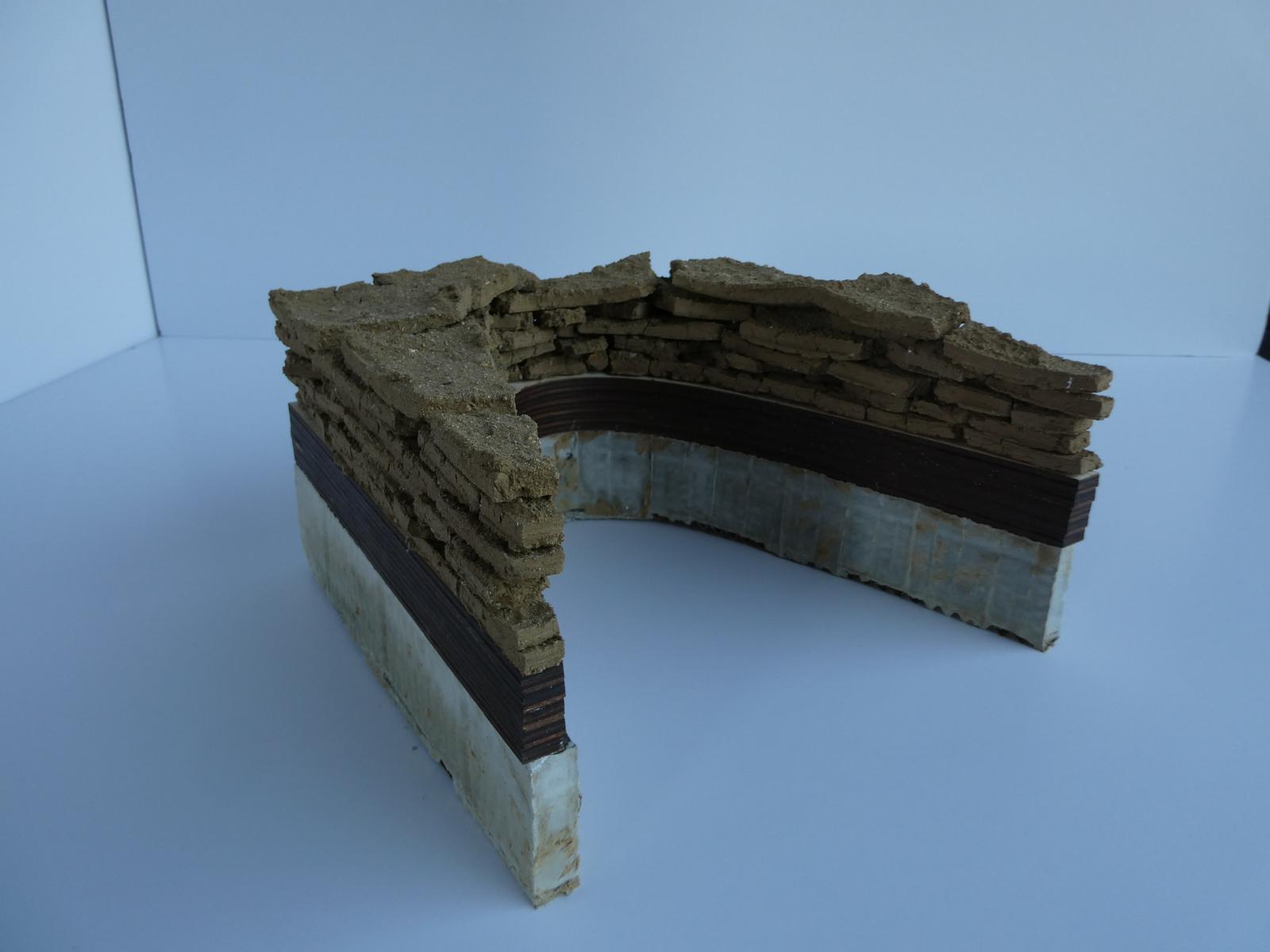
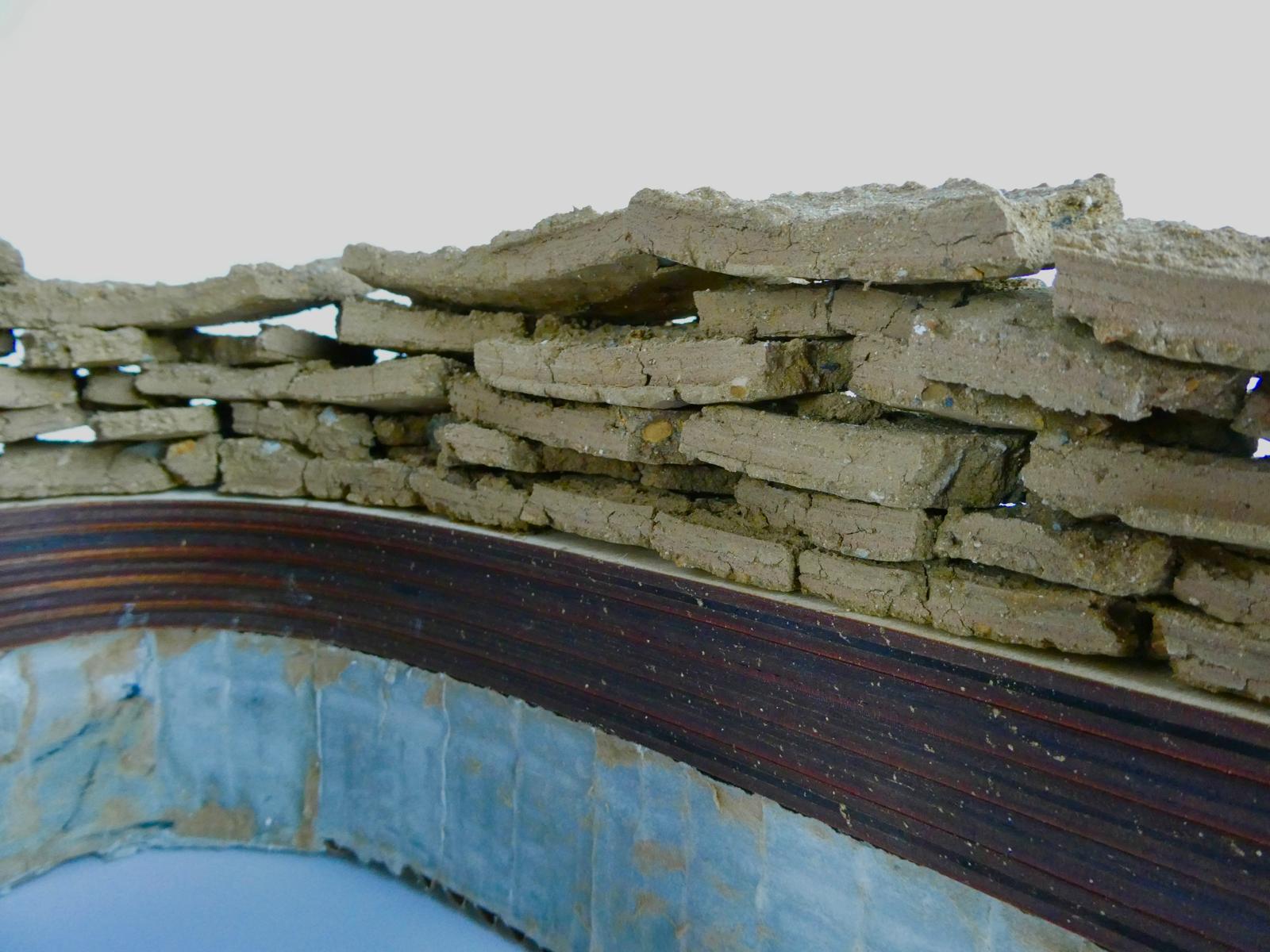
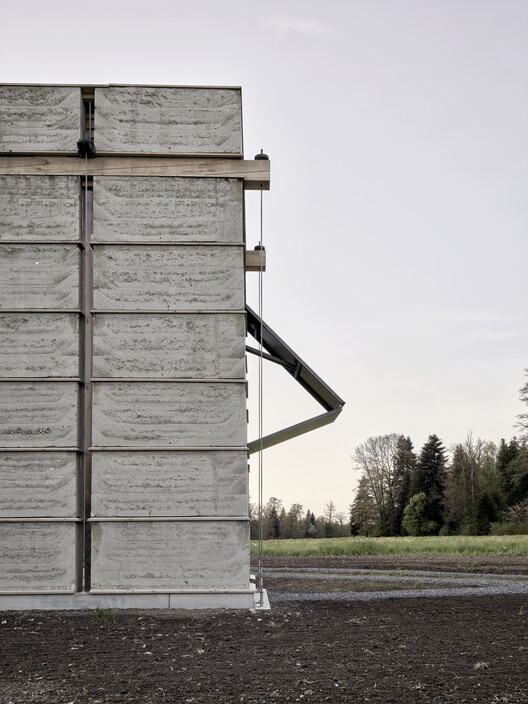
Robotic Ramming – Digital Futures 2025 was held in June 2025 at CAUP, Tongji University, and led by the Institute of Structural Design at TU Braunschweig. The workshop was directed by Dr. Samim Mehdizadeh, Joschua Gosslar, and Noor Khader under the academic leadership of Prof. Dr. Norman Hack and Prof. Dr.-Ing. Harald Kloft.
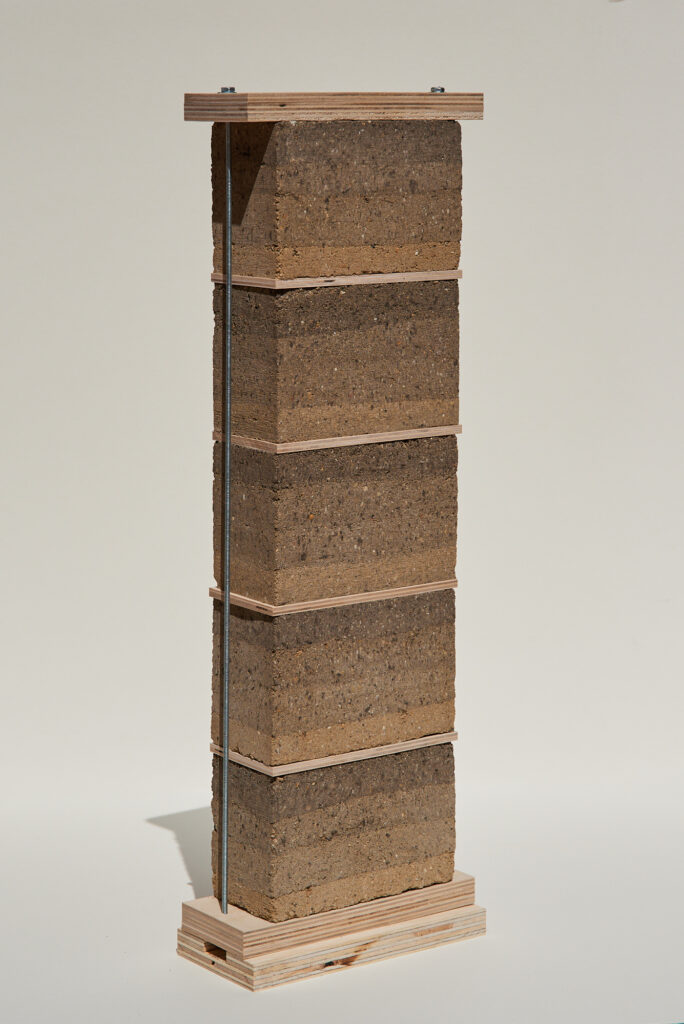
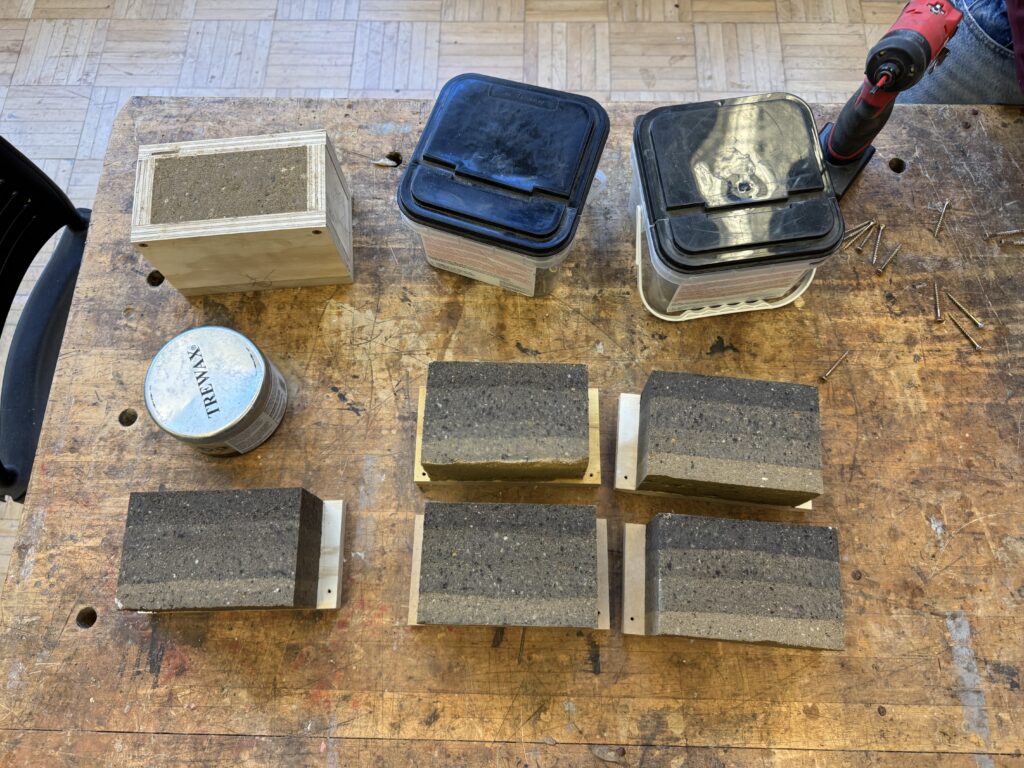
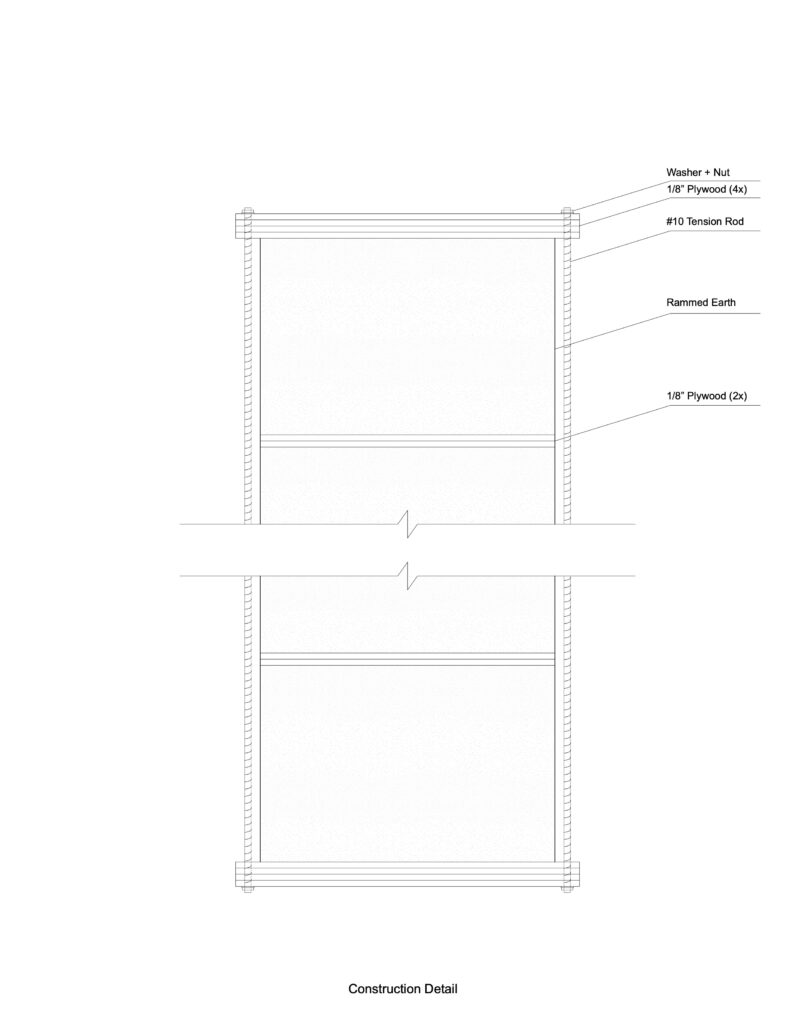
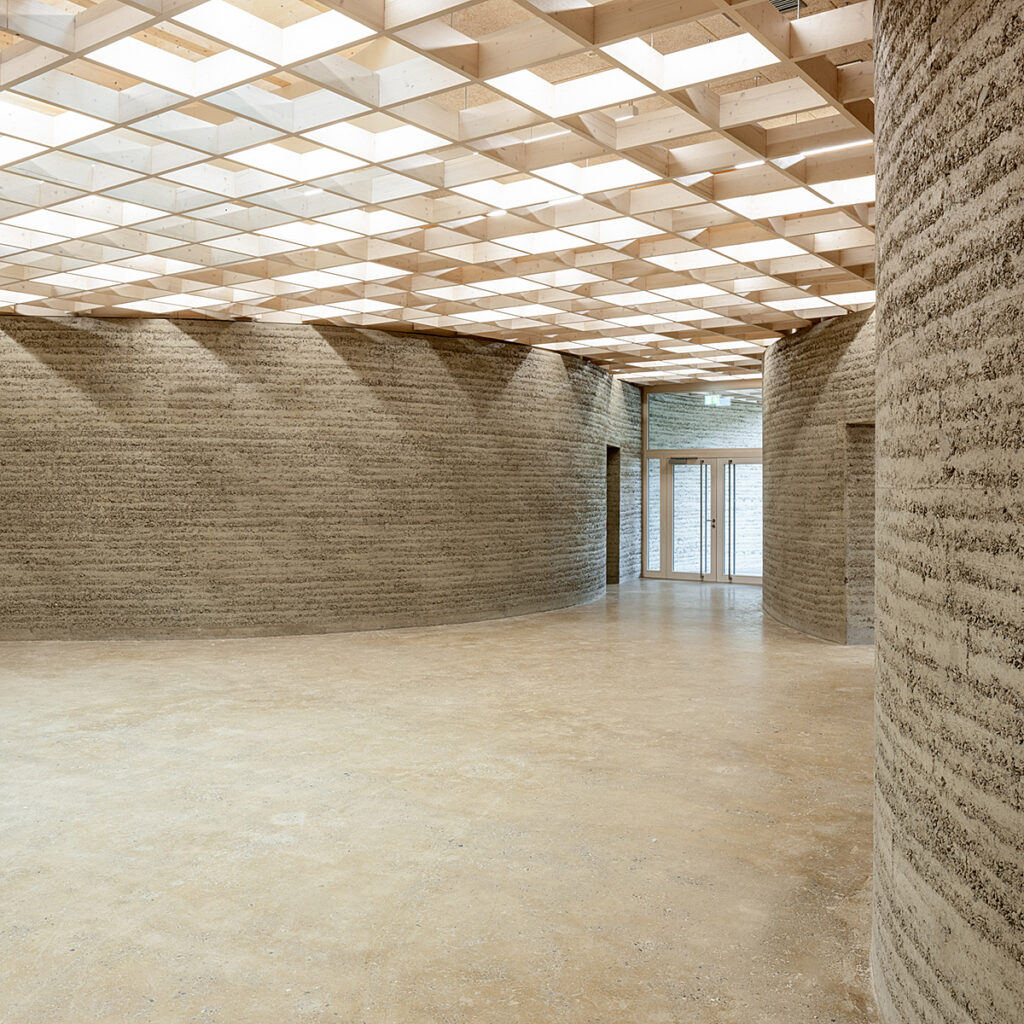
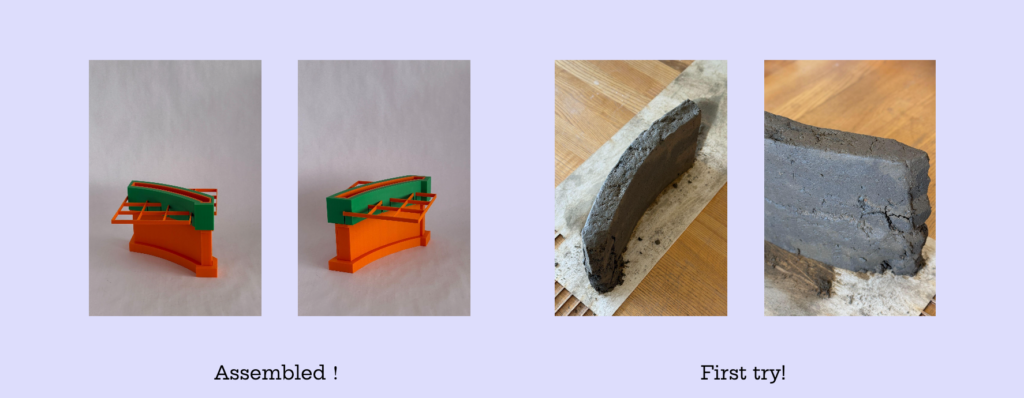
The workshop investigated the integration of robotic fabrication with rammed earth construction. Moving beyond traditional in-situ methods that rely on rigid formwork and horizontal layering, the project employed a robotic arm equipped with a pneumatic ramming end-effector. This system enabled digitally controlled compaction and expanded the geometric possibilities of earthen construction.
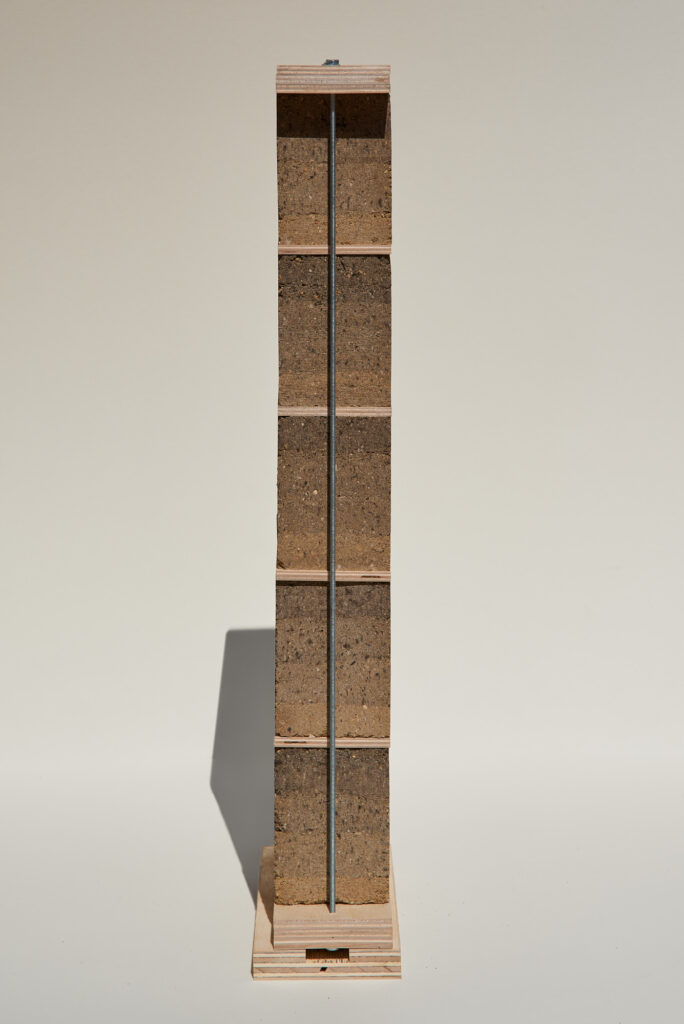
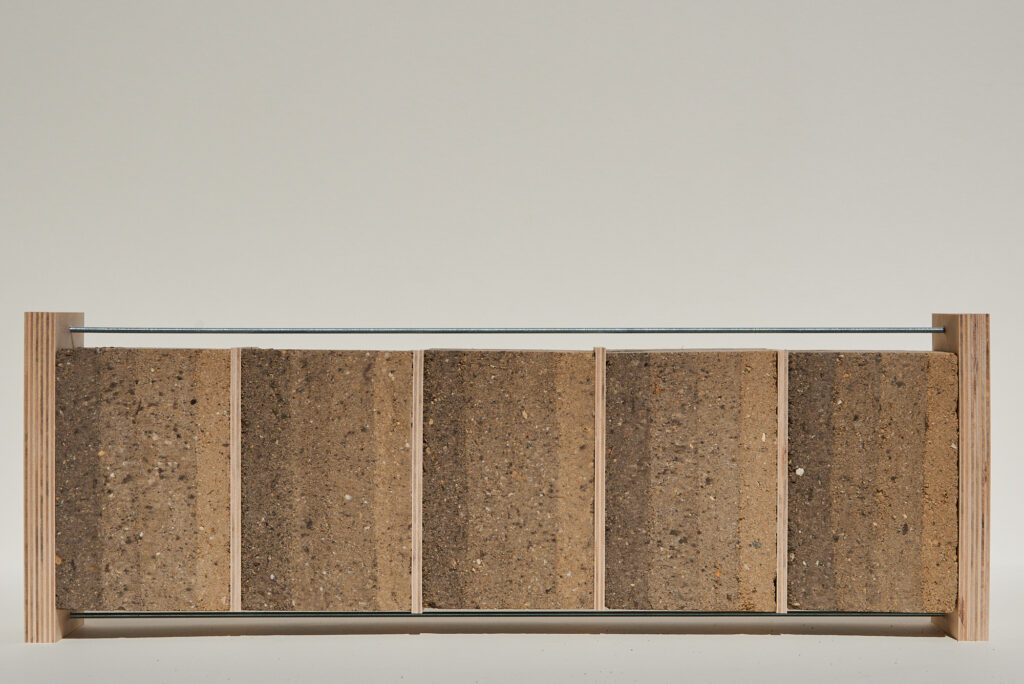
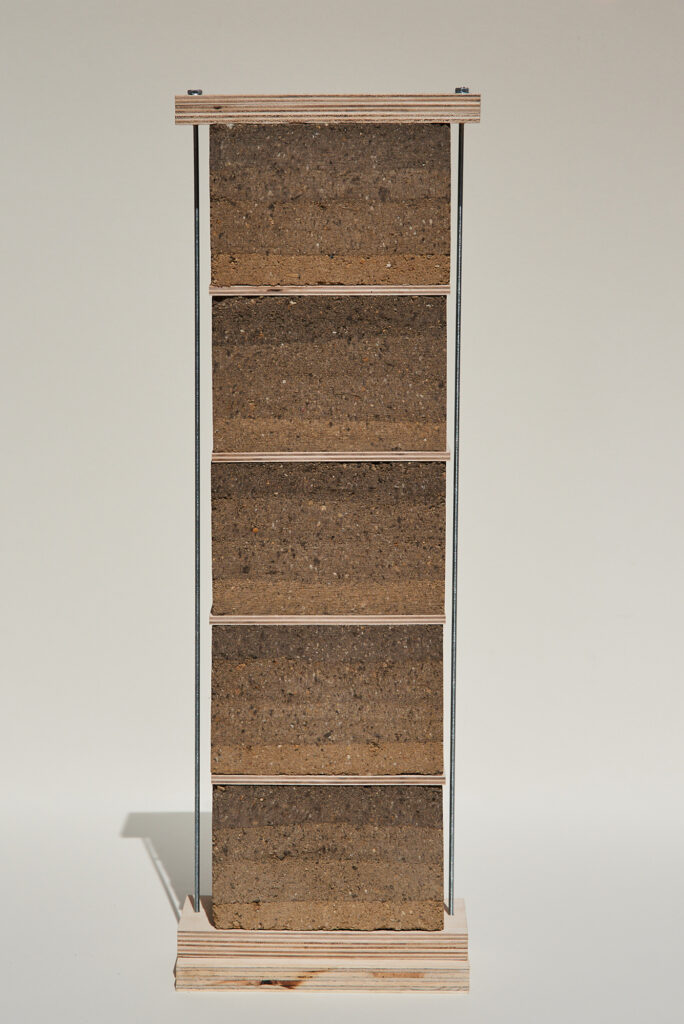
Participants developed a complete design-to-fabrication workflow. Using Rhino and Grasshopper, they generated toolpaths through boundary definition, sectional slicing, voxel allocation, infill pattern development, and sequential ramming strategies. Digital modeling was directly linked to material performance and robotic execution.
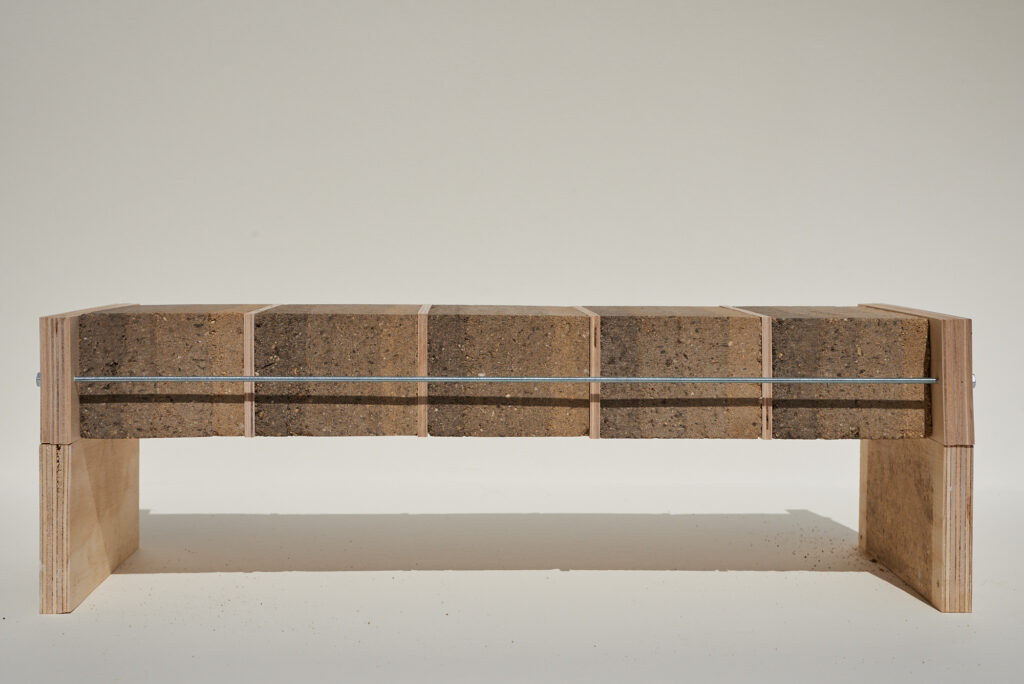
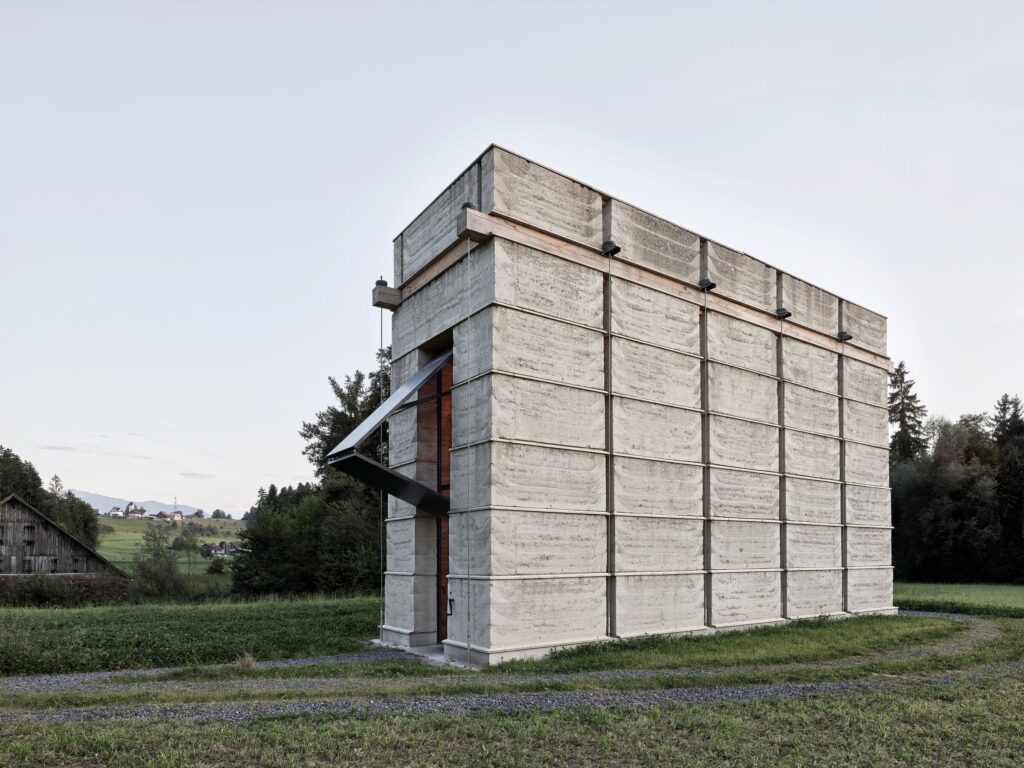
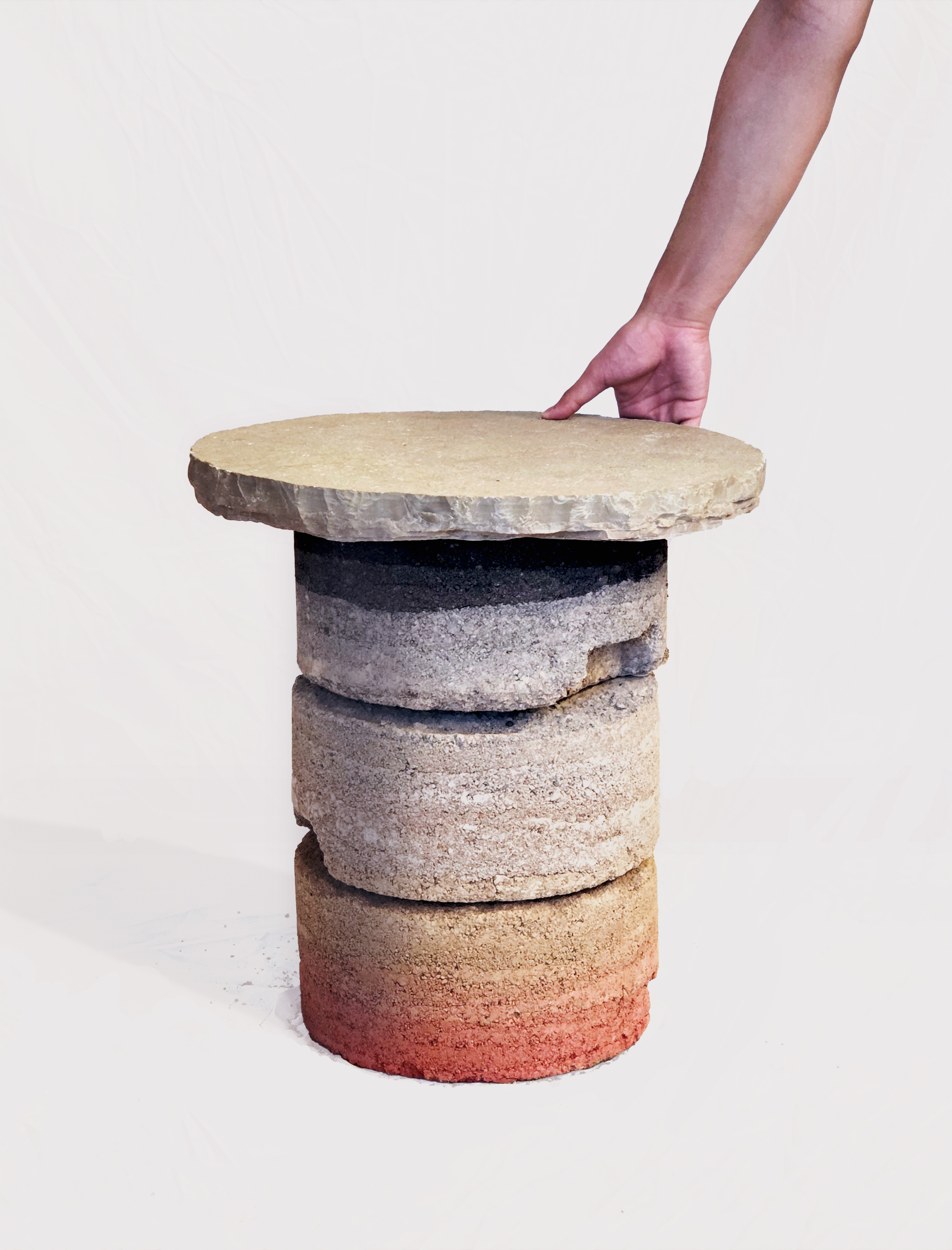
The workshop culminated in a large-scale demonstrator composed of three rammed earth components, each approximately the size of a Euro pallet and varying in height. The installation demonstrated scalability, structural articulation, and the potential of robotic ramming as a sustainable construction method.
A video documenting the fabrication process accompanies this article.
In the 13th Century, Cob first established as a basic technique in the UK began to evolve in practice for many years. As the development of homes changed over time cob developing into the framework of a more industrialized society in the 15th Century. This became a normal form of buildings utilizing various material mixes for more solid mass use. Established mainly in certain regions like Devon, Cornwall, Somerset and parts of East England, as well as Wales. Historically, various forms of architecture were also established in the adjacent country of Ireland where sod houses and thatch cottages which were more common practices. Along with the UK cob houses materials were used similarly in tangent and later developed in the same fashion. Location in context worked well with the mild maritime climate, clay rich soil and easily accessible materials.
Historically, cob was more common in England and Wales the sandy clay material of the natural environment was a more viable option considering that stone and wood were less accessible. This allowed various mixtures to form ranging from different percentages of clay, straw and water ration. In order to create a thick more workable mixture.
The technique primarily uses a mixture of clay, sand, stone straw and water combined with a lime mortar for durability. The form was then applied molded by hand allow sculptural forms to construct characterized architectural forms.
Cornish lime mortar is an essential material used for maintaining cob structures as it allows a longevity and stability over time. The lime mortar allows for flexibility of the structure while also preventing cracking and breakage. Lime can also be fire proofing, water resistant and durable.
There are certain forms of cob that use a chalk heavy concentrate and are know as chalk cob or wychert. This gives a distinctive natural blend of materials for the walls, consisting of most of the housing in the UK during the vernacular period.
Hand shaped and compressed, highly skilled labor is required for the creation of cob walls and or cob bricks. The mixture is laid onto a stone foundation and does not require formwork or ramming. Construction would consist of building on top of another layer after drying and trimming for the next batch to be laid.
Generally about 24 inches thick, for walls and or brick forms creating spaces for windows inset, the overall thickness of the material allows a natural insulation during the day.
Still being used in practice today the longevity of the cob wall, offers a deeper understanding of the practice for breathability, prolong building life as well as establishing a lasting sustainable practice.
Considering that the construction of these buildings were created in the 13th to 19th century enough of these buildings mixtures allowed occupation of these houses to this day.
Cob wall repairs are common to not only keep up with the historic longevity but to address minor issues that arise before escalation and cracking. Some methods of maintenance include patching up areas affected by moisture as well as adding new coats of lime mortar for more stability and durability. This also helps keep out any newer moisture to prevent further decay over time. Though maintenance may be subjected to certain craftspeople it still is a viable form of building practice for eco based materials.
Emphasizing a breathable material and establishing the lime coat to prevent moisture, cob allows a breathable structure that can regulate the internal climate and heat within fluctuating weather. The thermal properties as well as the breathability allows faster moving heat as well as more stability of the climate in the interior.
Along with being a thermal based building the durability against various weather events including windy, rainy and moisture rich conditions make the weather resistance a factor in preventing breakage of materials and mold content.
Considering that the materials are natural it works in harmony well with the built environment. Using these materials have minimal impact on the ecosystem as a whole and can also be considered a renewable resource. It can cut back on carbon emissions for building and can also be a viable option for housing in the future.
There are some craftspeople that are supporting the movement to look more into cob as a building practice for present day architecture. Bringing a contemporary use of this material there are various forms of cob that has become a more viable option for building
Cultural period: Chimú civilization | c. 9th–15th century
Type: Adobe urban complex | Archaeological city
Chan Chan is an archaeological city located near Trujillo on the northern coast of Peru and served as the capital of the Chimú civilization between the 9th and 15th centuries. Built primarily of earthen materials, it represents one of the largest planned adobe urban complexes in the world. (UNESCO World Heritage Centre).
Figure 1 captures an interior view of a palace compound at Chan Chan, characterized by thick adobe walls, repetitive relief patterns, and a controlled spatial organization.
Site and environment
The city occupies a coastal desert landscape where survival depended on sophisticated water management. Canal systems diverted river water to support agriculture and urban life, making infrastructure inseparable from architectural form. The layout of Chan Chan, therefore, reflects both environmental constraint and hydraulic control.
The monumental core of Chan Chan covers approximately 6 km², with the broader city historically extending up to 20 km². This scale makes Chan Chan one of the largest earthen-built cities in the world and reflects the capacity of the centralized Chimú labor organization (World Monuments Fund).
Chan Chan functioned as the administrative and ceremonial center of the Chimú Kingdom. The city is organized into nine large walled compounds, or ciudadelas, each operating as a palace complex containing spaces for governance, ritual activity, storage, and burial. Together, these components form an integrated urban system (UNESCO).
Chan Chan was constructed by the Chimú civilization through a system of collective authorship rather than by a single architect. Originating from the northern coastal valleys of Peru, the Chimú developed architectural knowledge through established craft traditions and organized systems of shared labor that were transmitted and refined across generations. As the capital of the Chimú Kingdom, Chan Chan functioned not only as a place of habitation but also as an instrument of governance, reflecting the Chimú emphasis on using architecture to structure political authority and social order (Encyclopaedia Britannica).
Material
Chan Chan was constructed primarily of adobe and other earthen materials readily available in the surrounding desert environment. Thick load-bearing walls provided both structural mass and environmental buffering, while continuous low-relief friezes articulated many exterior surfaces with geometric and marine motifs. Together, these strategies suggest how Chimú builders integrated material performance with symbolic surface expression, linking construction practice to broader urban and cultural logics (World Monuments Fund).
Figure 5 | Section of the perimeter wall at the Fish and Bird Corridor, featuring the stepped motif. Source: (UNESCO)Figure 6 | Chan Chan, Perú. By Carlos Adampol Galindo. Source: (UNESCO)
Construction Process
Construction at Chan Chan was not a one-time building effort but a continuous, organized process that unfolded over many generations. Because the city was built primarily of earth, its walls and structures required regular maintenance, repair, and occasional rebuilding. In this sense, construction at Chan Chan was closely tied to long-term care and management rather than a single moment of completion. Contemporary conservation research likewise approaches the site through ongoing cycles of documentation, analysis, and response, recognizing the inherently changing nature of large-scale earthen environments (Getty Conservation Institute).
Figure 7 | Preventing climate-related impacts in the Chan Chan Archaeological Zone. Source: (UNESCO)
Spatial Organization
The urban form of Chan Chan is structured through large rectangular walled compounds, axial circulation routes, and layered courtyard sequences. Access into the individual ciudadelas is typically limited to narrow, highly controlled entry points. Within compounds such as Nik An, access is further structured through nested courtyard sequences and increasingly restricted zones, creating a clear progression from public to private areas. Together, these spatial arrangements suggest a carefully organized system of movement and visibility across the city. Rather than relying on vertical monumentality, authority is articulated through repetition, enclosure, and regulated access across the urban field (CyArk; World Monuments Fund).
Figure 9 shows typological variations of audiencia compounds across multiple ciudadelas at Chan Chan, illustrating the standardized yet adaptable spatial module used in Chimú administrative architecture. An audiencia is a U-shaped administrative compound commonly found inside Chan Chan’s palace complexes (Academia).
Conclusion
Chan Chan demonstrates an architectural model in which power is organized through spatial order rather than a singular monumental form. Across the city, repetition, enclosure, and controlled access work together to structure movement and social hierarchy at the urban scale. The reliance on earthen construction further foregrounds processes of maintenance, adaptation, and environmental response, positioning the city less as a fixed monument than as an evolving infrastructural landscape. As such, Chan Chan offers a compelling precedent for understanding architecture as a collective and systemic practice embedded within broader cultural and ecological conditions.
Tiébélé’s houses are an outstanding example of vernacular architecture as cultural art. They reveal how a community’s beliefs, social structure and environment can be woven into the very fabric of its buildings. The communal process with all villagers building and decorating each home is a model of collaboration and knowledge sharing.
In each family compound, men do the work of building in the dry season, while women handle all decorative painting and plastering just before the rainy season. Women are the sole keepers of the mural designs, they learn the motifs from elders and pass them to daughters through hands-on training. Because this is a vernacular tradition, there is no formal architect and knowledge is transmitted orally. Builders and painters all live locally in Tiébélé and nearby Kassena villages, motivated by communal duty and cultural obligation.
Because every villager participates, house building is a cultural rite. The communal construction and decoration serves as a vital means of passing Kassena culture across generations. Women, as the “sole guardians” of the mural tradition, use the process to teach daughters the ancestral patterns during large gatherings. In this way, intangible knowledge is preserved.
The core of the village is the Royal Court of Tiébélé, a walled clan compound that serves as the chief’s residence and ceremonial center. From this core, family compounds with painted houses grow outward in a roughly circular, fractal pattern. A narrow labyrinth of alleys links the houses, which aids communal life and defense, reflecting a tightly clustered form.
Tiébélé’s architecture is a living expression of Kasena culture. The built form and murals encode the community’s social organization, beliefs and history. For example, the compound is organized into five social domains and the choice of house shape immediately signals the occupant’s age, gender, and status. Dinia houses (30–40 m²) are irregular hourglass-shaped houses formed by two circular rooms joined by a narrow corridor reserved for elders, widows, unmarried women and children. These sprawling structures often form the nucleus of a compound.
Mangolo houses (20–30 m²) are a simple rectangular hut used by young married couples. It is a more recent addition to Kasena architecture signifying social transition. Interiors may have a clay bench or seating ledge along one wall. These rectangular houses line the edges of the compounds or fill remaining plots.
Adolescent or unmarried men live in Draa huts (9–12 m²), a round single‑room with a thatch roof and an opening at the top under the eaves for ventilation. The Draa keeps community youth together and allows elders to oversee them easily, and the low door and dark interior teach discipline and security. Each family compound also contains outside kitchens and hearths, granaries, silos, and small altars or shrines to ancestors.
Most strikingly, every wall is a painted canvas of abstract symbols. The facades display red, white and black geometric murals (triangles, crosses, zigzags, animal and plant motifs). These motifs have deep meanings referencing Kassena folklore, animism and daily life (stars for hope, arrows for defense, animals for fertility and protection). While the particular symbols vary, every Kassena home is elaborately painted to express identity and beliefs, and to distinguish it from others in the village.
The architecture also serves practical needs. Thick earth walls stabilize indoor temperatures and resist attacks, small openings protect privacy and security, and the annual repainting waterproofs the walls just before the rainy season. In this harsh environment, such design is both symbolic and sensible, a key reason the Kassena have kept it unchanged for centuries.
Houses are built entirely from local natural materials. Walls are made of earth mixed with chopped straw and cow dung, either molded by hand or formed into adobe blocks. The walls are around 30 cm thick to buffer heat and cold. Foundations use rough stone or fired laterite to protect from erosion. Ceilings are low, often two meters high or less to expedite plastering. Roofs are flat made with wooden beams overlain by layers of packed earth or clay then laterite. This layered roof when compacted and patched with dung sheds rain but must be periodically re-plastered.
Construction is communal and new houses are built during the dry season. Houses have intentionally minimal openings as a defense measure inherited from times of conflict, with almost no windows and doorways only about two feet high, forcing entrants to stoop. Just before the rainy season, all village women gather to plaster and decorate each house. They first roughen and coat the dry mud walls, then paint by hand in the planned design. Pigments are prepared from local minerals mixed with water and clay (red from laterite soil, white from chalk, black from charred basalt or plant charcoal). After painting, each color is burnished with a stone, and finally the entire surface is varnished with a boiled African locust bean fruit solution. Tools may include feathers, combs or sticks for patterning. Throughout the process, the oldest woman present directs the patterns and sequences, ensuring the motifs are executed properly. Because every household participates, the decoration of a house is as much a social ceremony as a construction task. Family members give food and drinks to workers as payment, ensuring communal participation.
Tiébélé values local materials, sustainability and cultural context. These houses teach that design can be participatory and deeply symbolic, not just functional. In a world of standardized construction, Tiébélé’s earthen buildings remind us of the beauty of craft, community and continuity. The result is an inseparable fusion of architecture and art, every building is a cultural statement, unique yet part of a grand communal ensemble.
DeRoche Projectswas founded in 2022 by Glen DeRoche after a decade-long stint at Adjaye Associates. After leaving Adjaye Associates and completing his M.Arch at The Bartlett School of Architecture, Glen relocated to Ghana where he began working with Jurgen Benson-Strohmayer. Now building his own practice, De Roche’s work places an emphasis on heritage, sustainable construction, and community. With a background in photography it comes as no surprise that his practice now works between Architecture and Art- with photography still being a large part of his creative process. 1
Four- meter rammed earth walls surround the Backyard Community Club’s tennis court in Accra, Ghana. The Backyard Community Club meets a need for public space in, utilizing a site strategy that DeRoche Projects calls “deliberately open-ended, where lines between sport, gathering, learning, and rest are blurred.” The court is bordered on one side by a garden of edible and medicinal plants along with restrooms and changing rooms. The remaining sides are bordered by either concrete or rammed earth walls that meet the surrounding neighborhood. 2
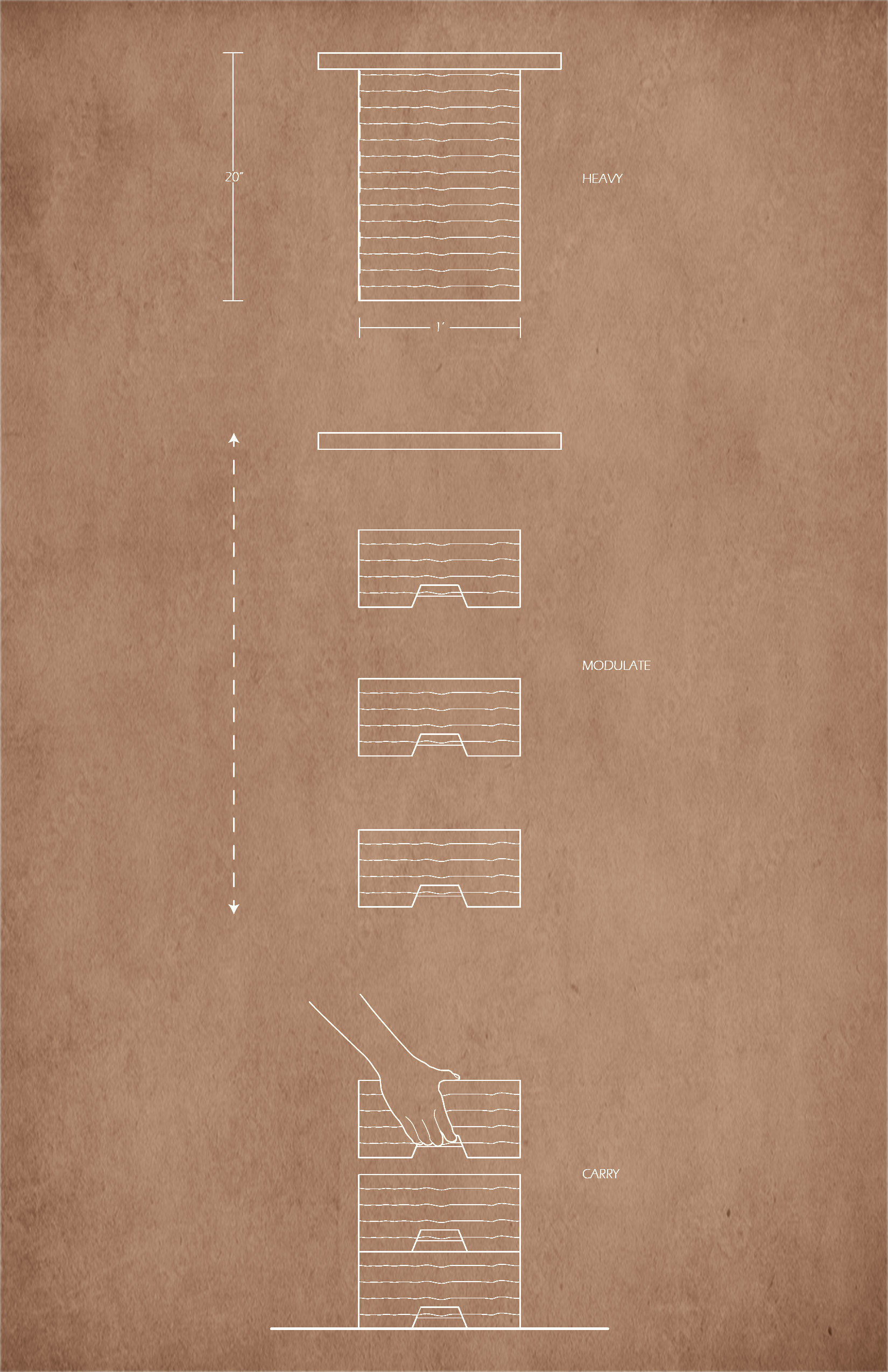
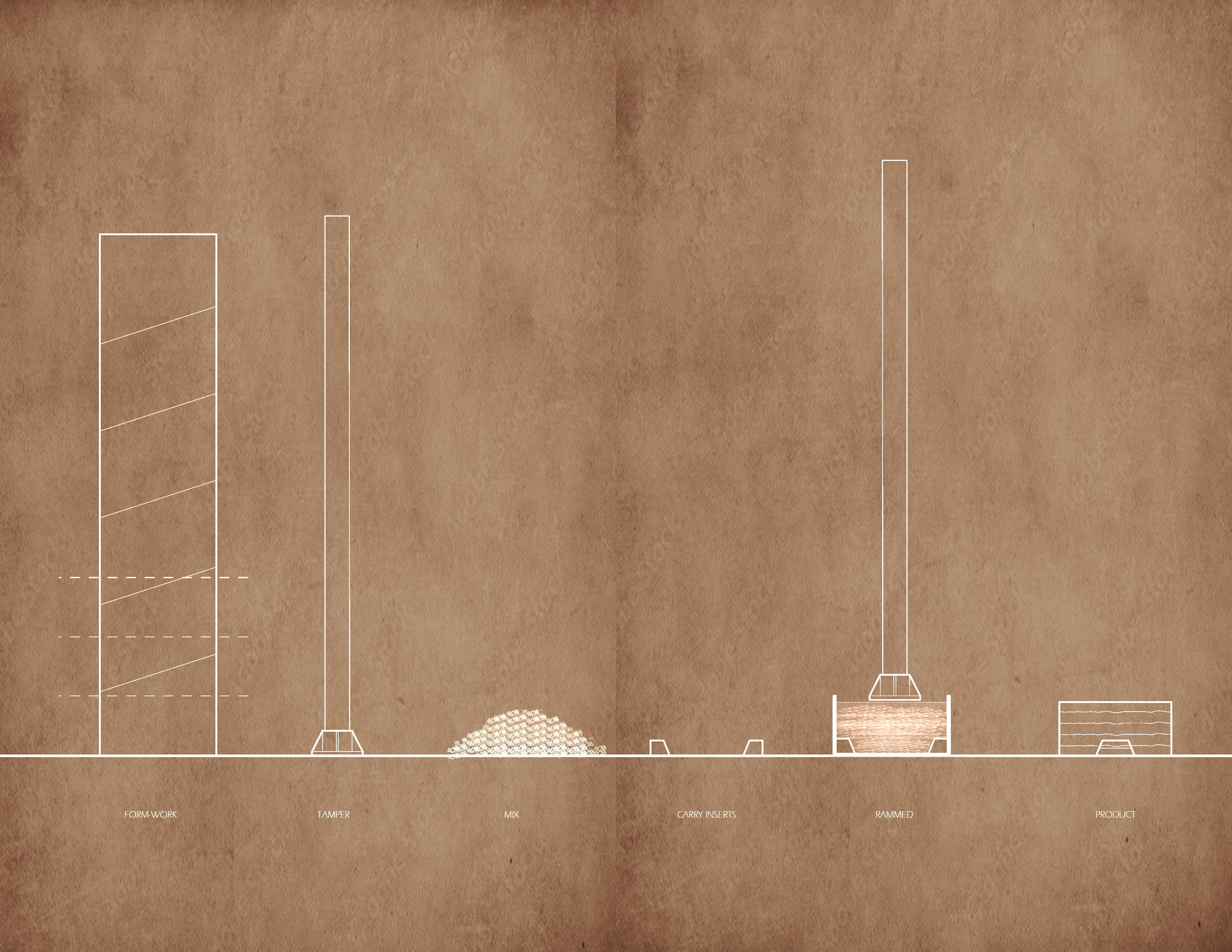
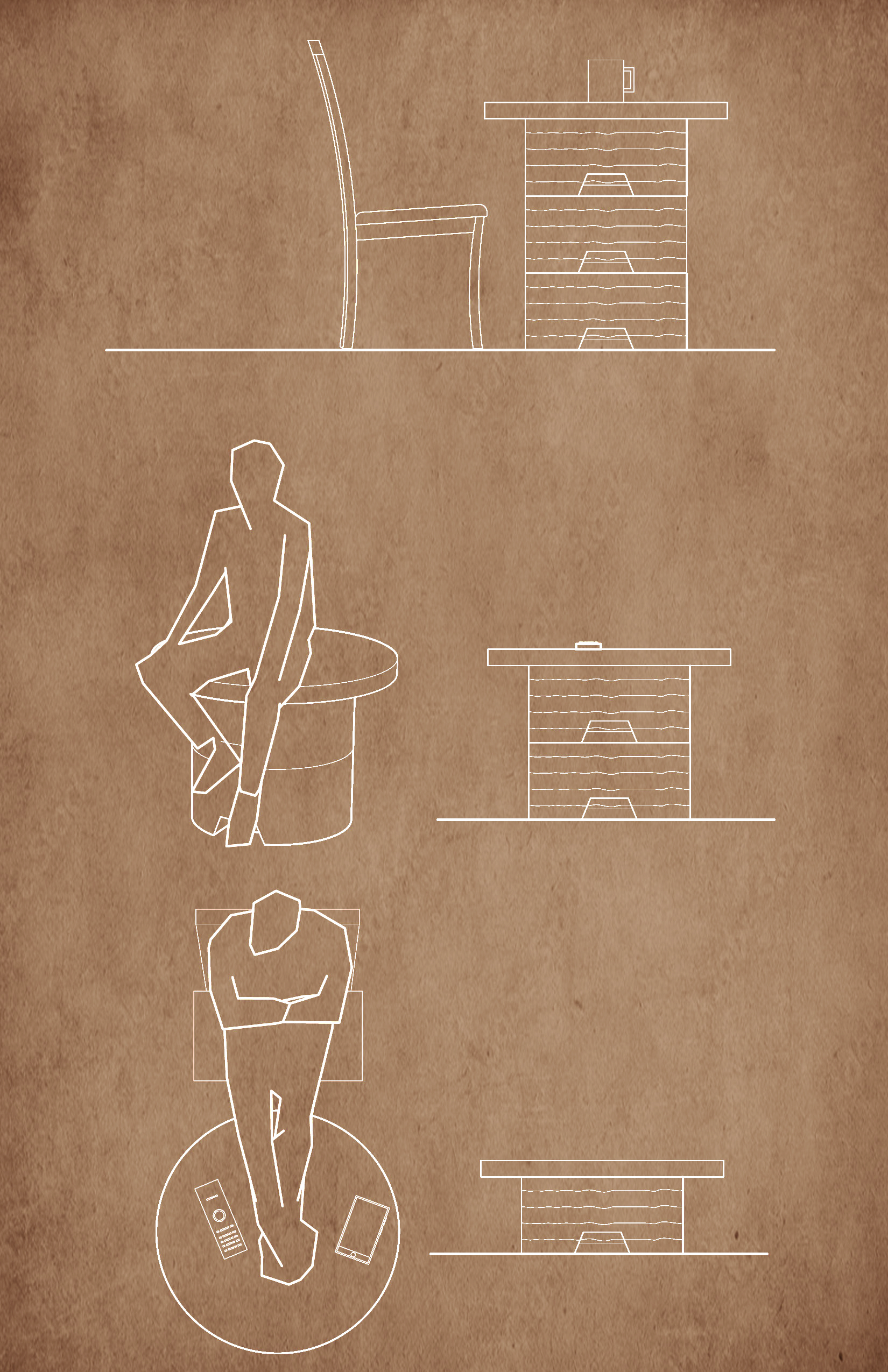
This project is the first instance of precast rammed earth modules in Ghana. Each module was designed with a perforation and taper, this design creates triangular fenestrations across the whole wall. 3
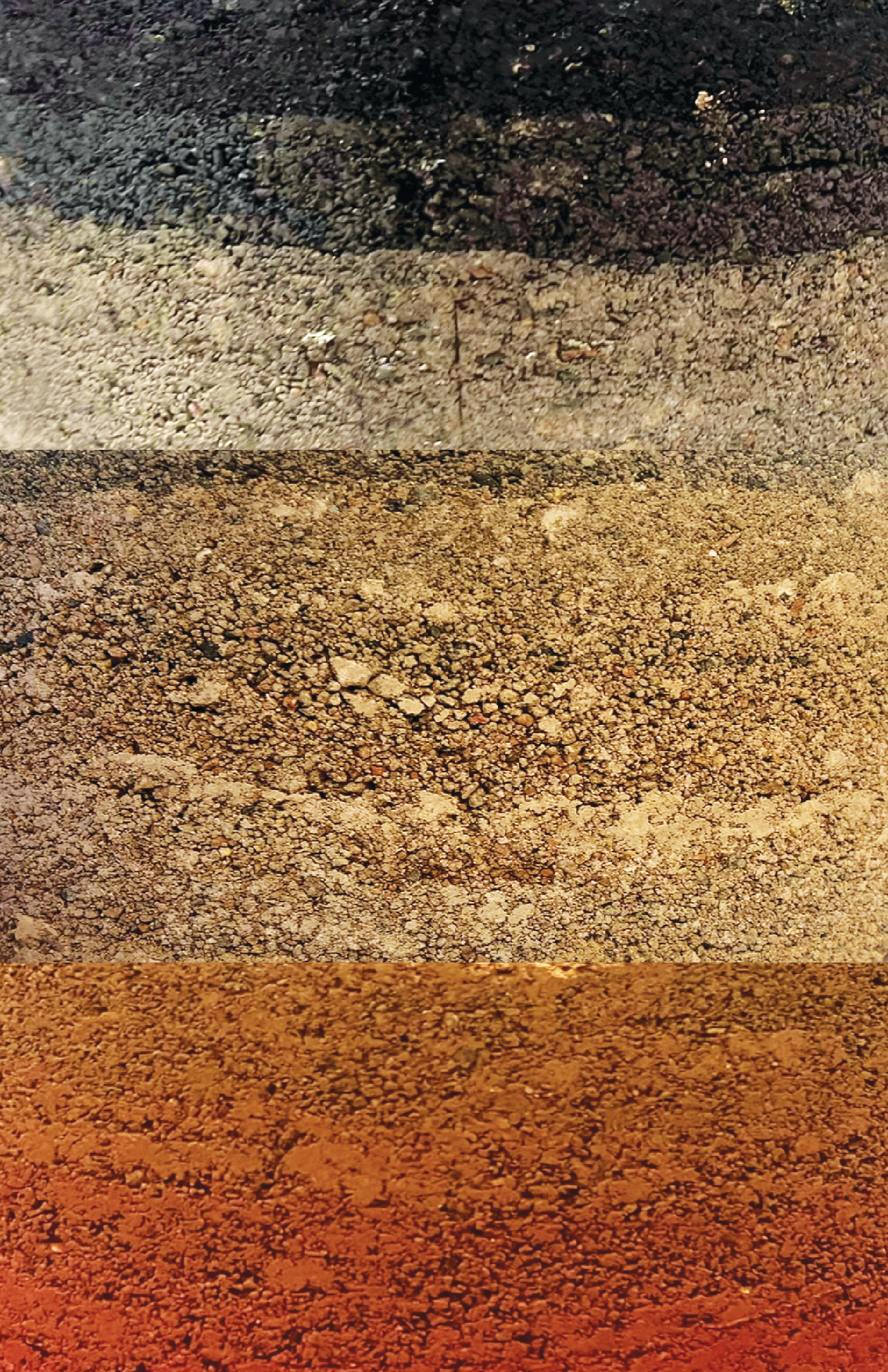
DeRoche’s use of rammed earth walls pulls from a long history of earth building in Ghana. Indigenous peoples in this area typically used wattle and daub as well as the Atakpame method- a way of building with earth creating monolithic earth walls that provided thermal mass to cool interiors. 4 DeRoche also has a personal connection to rammed earth walls, saying in an interview with PINUP, “I see texture as a way of deepening the sensorial qualities of architecture. It allows for depth, richness, and this poetic dance between light and shadow, which create emotive and surreal ways of making and experiencing space.” This is exemplified by the rammed earth modules in this project which cast deep shadows across the tennis court or garden depending on the time of day.
Builder: Imperial Chinese Dynasties (Qin, Han, Ming)
Location: Northern China
Primary Construction: 3rd Century BCE – 17th Century CE
Length: Over 21,196 km (13,000+ miles)
Construction: Rammed Earth, Stone, Brick
The Great Wall of China is one of the largest architectural and engineering systems ever constructed. Rather than a single continuous wall built at once, it is a network of defensive walls, watchtowers, fortresses, and natural barriers constructed over nearly two millennia to protect imperial China’s northern borders.
HISTORICAL CONTEXT
The Great Wall of China does not have a single architect because it was constructed across multiple dynasties over nearly 2,000 years. Instead, it represents evolving architectural authorship under different imperial rulers. Each dynasty functioned as both patron and designer, adapting the Wall to new political and military conditions.
Qin Dynasty – Qin Shi Huang (3rd Century BCE)
The first large-scale unification of defensive walls began under Qin Shi Huang in 221 BCE.
Qin Shi Huang was born in 259 BCE in the state of Qin during the Warring States period. Although he was not formally “educated” as an architect in the modern sense, he was trained as a ruler and military strategist. After conquering rival states, he unified China and centralized political authority. His administrative reforms standardized writing systems, currency, road systems, and infrastructure.
His motivation for building was strategic and political. Northern nomadic groups such as the Xiongnu threatened the stability of the newly unified empire. By linking previously independent regional walls into a continuous defense system, Qin Shi Huang aimed to secure territorial boundaries and demonstrate imperial strength.
Contribution:
Connected regional defensive walls into a larger unified system.
Established rammed earth as the primary construction method.
Used forced labor from soldiers, peasants, and prisoners.
Positioned walls along natural ridgelines for defensive advantage.
These early sections were constructed primarily from rammed earth. Soil was compacted in layers between wooden forms, creating dense, load-bearing defensive barriers.
Han Dynasty (206 BCE – 220 CE)
During the Han Dynasty, the Wall was expanded westward to protect Silk Road trade routes. Han emperors were administrators and military rulers, continuing Qin’s centralized governance model.
Contribution:
Extended Wall deeper into desert regions (Gansu corridor).
Used rammed earth mixed with gravel and reeds for added strength.
Integrated beacon towers for rapid communication.
The Han contribution emphasizes the Wall not only as defense but as economic infrastructure. It controlled trade taxation and secured caravan routes.
Ming Dynasty (1368–1644)
The most recognizable and well-preserved sections today were built during the Ming dynasty.
The Ming emperors were ruling after the fall of the Mongol-led Yuan Dynasty. Having experienced foreign rule, they were deeply invested in border security. Imperial engineers during this period functioned as state-trained builders and military designers.
Rebuilt large portions using fired brick and stone.
Created composite walls: brick exterior with rammed earth or rubble core.
Designed fortified passes with complex gatehouses.
Increased tower frequency for line-of-sight signaling.
Improved drainage systems to reduce erosion.
The Ming sections represent a technological evolution. The structure became thicker, taller, and more fortified. Towers included interior rooms, stairs, storage spaces, and defensive openings.
SITE & LANDSCAPE
The Wall follows mountain ridgelines for strategic defense.
The Wall stretches across mountains, deserts, and grasslands. It follows ridgelines to maximize visibility and reduce material needs. By working with the landscape, the Wall becomes both fortification and landform.
PROGRAM, MATERIALS, & FORM
Watchtower used for surveillance and signaling.Walkway wide enough for troops and horses.
The Great Wall is not a single building with square footage but a territorial-scale system. It extends more than 21,000 kilometers across northern China.
Program includes: Defensive walls, Watchtowers, Beacon towers, Fortified gates and passes, Military housing, Trade control checkpoints
Early Construction: Rammed earth (tamped soil between wooden forms), Gravel and reeds in desert regions
Later Construction (Ming): Fired brick facing, Stone foundations, Rammed earth or rubble core, Lime mortar
The process involved layering material in lifts and compacting each layer. The walls taper upward, creating structural stability through compressive mass.
The form of the Wall is linear and serpentine. It adapts to terrain rather than imposing a rigid geometry. Watchtowers create rhythmic intervals along the landscape. The thickness of the wall allows it to be inhabitable. Soldiers could move along its top, shelter inside towers, and defend through crenellations.
RAMMED EARTH CONSTRUCTION
Before brick and stone were widely used, large portions of the Wall were constructed using rammed earth. This method involved placing soil between wooden formwork and compacting it in layers using tampers. Each layer was compressed until it formed a dense, rock-like mass.
Rammed earth was ideal for several reasons. It used locally available soil, reducing transportation demands. It created extremely thick, load-bearing walls with high compressive strength. In arid climates, rammed earth proved durable and stable over centuries.
In many Ming sections, rammed earth forms the internal core of the wall, while brick and stone create a protective exterior shell. This composite system combines the mass and structural stability of earth with the weather resistance of masonry.
The Great Wall demonstrates that rammed earth can perform at massive territorial scale. It validates earth as a structural material capable of forming defensive infrastructure thousands of miles long.
CONCLUSION
The Great Wall of China demonstrates architecture at the scale of geography. It redefines what a “building” can be by functioning as territorial infrastructure.
It inspired later global fortification systems, use of rammed earth in defensive architecture, and integration of architecture with topography.
Architecturally, it proves that rammed earth is not primitive but structurally capable of massive construction. The material’s compressive strength, durability in arid climates, and availability made it ideal for large-scale defense.
Politically, the Wall symbolizes centralized authority and national identity. It reflects the ability of the state to mobilize labor and resources over generations.
Environmentally, it demonstrates sustainable construction through local material sourcing and terrain integration.
Ultimately, the Great Wall is not just a defensive barrier. It is a layered architectural narrative built over centuries, reflecting evolving technologies, political ambitions, and material intelligence. It stands as one of the earliest examples of architecture functioning simultaneously as engineering, infrastructure, cultural symbol, and landscape intervention
Image Credits:
UNESCO World Heritage Centre
Text Sources:
UNESCO World Heritage Centre. “The Great Wall.” https://whc.unesco.org/en/soc/3642
Magellan TV “Who Built the Great Wall of China and Why?” https://www.magellantv.com/articles/who-built-the-great-wall-of-china-and-why
Architect:Espacio 18 Arquitectura – Carla Osorio and Mario Ávila
Construction: Adaptive reuse of adobe masonry reinforced with steel
Photographs: Camila Cossio, Espacio 18 Arquitectura via ArchDaily
Espacio 18 Arquitectura is a studio based in Oaxaca de Juárez, founded by Carla Osorio and Mario Ávila (1990), both Mexican architects educated and practicing primarily in Mexico, with projects extending to Tucson, Arizona. Their work is focused on close listening rooted in research and collaboration rather than formal preconception. Projects develop from context, client, and existing fabric rather than a repeated stylistic language. Structure is exposed when necessary, materials remain direct, and spatial decisions emerge from use.
“Every design becomes a personal portrait — shaped together… Each of our projects looks and feels different because each one emerges from a different story.” – https://www.espacio18.mx/about
Masea Wheat & Corn Bakery (2021) and Plúmula Workshop House (2022) were among the projects that brought recognition to the firm. Masea gained attention for its careful reinterpretation of a traditional Oaxacan bakery through restrained material expression and spatial clarity, positioning everyday food production within a refined architectural framework. Plúmula became widely published for its adaptive reuse of adobe reinforced with a lightweight steel frame, clearly articulating a contemporary approach to earthen construction while maintaining strong ties to site and craft culture.
This project, the Plúmula Workshop House, began with an inherited half-house made of adobe masonry and a mature flamboyán tree. These two elements established both structure and center. The tree became the spatial anchor, the adobe the material foundation. The design emerges from an ethos of reinforcing what exists, stabilizing rather than replacing, and allowing the house to grow from its given condition.
The structure had stood unfinished for decades when Amy, a plastic artist, sought to transform the existing walls into a ceramics workshop, home, and space for gathering and rest during her visits to Mexico. The challenge was to retain the material character and history of the structure while completing it in a way that made it functional and structurally sound.
The response is careful and restrained. The original load bearing adobe walls remain as the primary enclosure and source of thermal mass. Lightweight exposed steel is inserted to stabilize the masonry, support new roof planes, and frame calibrated openings for doors, windows, and circulation. The connection between steel and adobe is left visible, clearly distinguishing what is existing from what is newly added. These moments cluster around the courtyard, areas of reinforcement, and points where light and movement enter the space. The rawness of both materials contributes to a sense of honesty and continuity with the site.
The material palette is local and deliberate, limited to adobe, steel, pine, and red brick. This restraint creates cohesion and warmth without excess. Environmental performance is integrated into the construction through thermal mass, a solar heater, rainwater harvesting, and LED lighting, allowing sustainability to operate quietly within the architecture itself.
Within 754 square feet, the program is organized along the perimeter of a courtyard defined by the flamboyán tree. The ceramics workshop occupies the most open and light-filled edge, allowing production to extend outward when glazing is fully retracted. The bedroom is positioned for enclosure and privacy, set slightly back from the primary activity zones. Living and gathering spaces mediate between work and rest, allowing the house to shift between retreat and collective use. This arrangement directly reflects the client’s needs: a space to make, to pause, and to host. Circulation traces the courtyard edge, maintaining constant orientation to the center. Sliding glazing opens the interior directly to the courtyard, extending work and domestic life outward while enabling cross ventilation. The courtyard operates simultaneously as climatic regulator and spatial anchor.
Plúmula transforms an unfinished structure into a calibrated environment for living and production. Its significance lies not in formal novelty but in structural clarity. By retaining adobe and reinforcing it with steel, the project demonstrates that adaptive reuse can operate as precise construction rather than surface preservation. It affirms the continued relevance of earthen architecture within contemporary practice and proposes a model of growth grounded in consolidation, restraint, and careful intervention.
Bodega en Los Robles is located in central Chile, in a valley where the land is most suitable and prominently known for the cultivation of Carmenère and Cabernet Sauvignon. Designed by José Cruz Ovalle and associates Ana Turell and Hernán Cruz, this bodega stands as the first organic, autonomous, closed-system, non-contaminated vineyard in Chile.
José Cruz Ovalle, born in Santiago de Chile, is a Chilean architect that is well know for his use of wood and designs that beautifully integrate nature, creating a harmonious relationship between nature and man. Coming from a family of architects, Ovalle attended Pontificia Universidad Católica de Valparaíso in Chile where he studied architecture, later transferring to la Universidad Politecnica de Cataluña in Barcelona where he received his degree. During his time in Barcelona, Ovalle opened his own practice in 1975 where he worked for 12 years before returning to Chile to open his Santiago-based studio José Cruz Ovalle y Asociadoswith wife Ana Turell, Hernán Cruz and Juan Purcell Mena.
Part of Ovalle’s process consists of beginning with sculptures as a way of understanding the rhythm of material and form through physical senses. Much like his works, his sculptures display a complexity that he has very clearly mastered and is able to convey with ease. These dynamic forms are best seen in his manipulation of wood as both structural and sculptural elements in his designs. As a result, he has received many awards, one of them being the Spirit of Nature Wood Architecture Award in 2008 for his mastery of wood.
Built on Viñedos Santa Emiliana, the bodega was built between 2001 and 2002 and takes up approximately 3,385 sq.ft. of the vineyard. Ovalle and associates made use of natural and local materials to cultivate and emphasize the biodynamic unity between nature and man in the context of agricultural processes like wine production. The walls are made of zocalo de piedra con hormigon (base foundation of stones and concrete), adobe bricks and glulam wood. The main structure being made of laminated wood and topped with corrugated copper panels.
The form of the walls was created from the artisanal material, masa (paste/dough) typically associated with the adobe bricks and concrete. Here is where Ovalle’s sensibility makes its presence as the focus becomes the feeling of the masa with the hands and the body. Feelings that go beyond the construction process and later persist as the body inhabits and works in proximity to the material. In this case, however, the masa is not just the adobe or the hormigon, but the wood, the stones the copper roof finishings. Together these materials create harmonious spaces which users are able to connect with to the same capacity that they connect with the agricultural and vinification processes of their biodynamic practice.
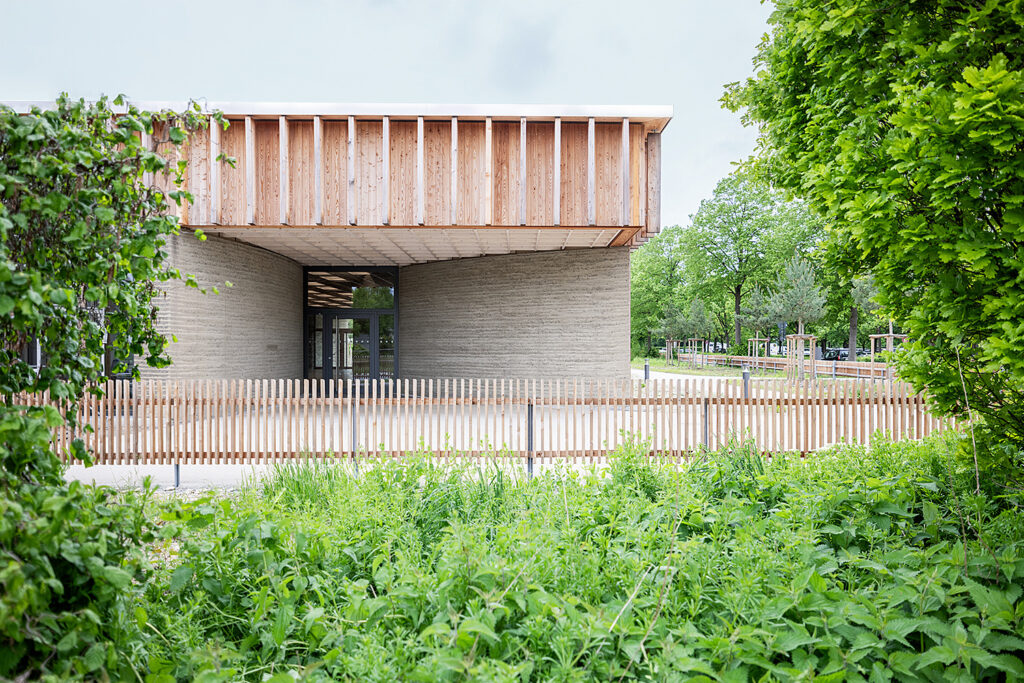
Brenas Doucerain Architectes is a Grenoble-based firm dedicated to the “frugality” and “essentiality” of construction.Their work focuses on the dialogue between architecture, local landscape, and human life. They believe matter is the substance of architecture. By using site-specific raw materials like rammed earth (pisé), they express the sensory and poetic qualities of the land without relying on artificial technology. The firm advocates for energy sobriety and low technologies. They treat architecture as a “frugal” tool—using only what is necessary to create human-scaled, adaptable spaces. Their designs utilize archetypal elements to bridge the gap between historical heritage and modern living, ensuring buildings are sustainable “traces in time.”
Program & Form
The site of the project is that of the courtyard of the current school group located in the center of town, dense tissue organized around the place of arms. The outdoor area reserved for elementary school children is closed between a dead end in the west and the existing Jules Ferry building in L to the east and north. Two beautiful plane trees inhabit this space.
Materials & Process
Traditional local rural architecture is built of rammed earth. The facade walls along the impasse, now demolished, had once been built with this local resource. The school group dating from the nineteenth century is built in masonry and the town hall located across the street. The new nursery school slips into an existing dense fabric, with a shoehorn, gently, between adobe walls and plane trees.
The project consists of a volume of R + 1 masonry and coated, slightly skewed to escape the plane trees of the yard. It is built along the impasse by a rammed wall forming basement which allows reconnecting with the vocabulary of the old walls, to implement an available resource on the spot, a clay and ocher earth.
On the courtyard side, a lower wooden structure leans against it and offers a covered space, the courtyard and an additional outdoor area, on the terrace, accessible to children for accompanied and supervised educational activities. It helps to decongest the yard on frequented during recess. It is deformed at the right plane trees to avoid their extended roots, slips under their rowing to enjoy their shade. The structural principle is simple and implements pieces of local solid wood, stacked, juxtaposed, superimposed, like the construction game for children. The upright timber uprights act as a sunshade in the east.
The organization of the spaces is done in a voluntarily long and stretched volume, which closes the courtside North while encroaching as little as possible on its surface. The distributive principle mono-oriented allows lighting the circulation naturally. Classrooms and activities are superimposed according to their decibel production; the changing room above the canteen, the library above the desks, the big classes above the little ones, and nothing above the restroom.
Inspiration
This project proves that rammed earth, an ancestral material, can meet rigorous modern public building codes through contemporary design. It is not only sustainable (low-carbon, recyclable) but also provides a warm, sensory environment that offers children a profound sense of psychological security. The architects demonstrate how to utilize “the soil beneath our feet” to create modern public spaces, moving away from a total reliance on concrete or industrial materials.